
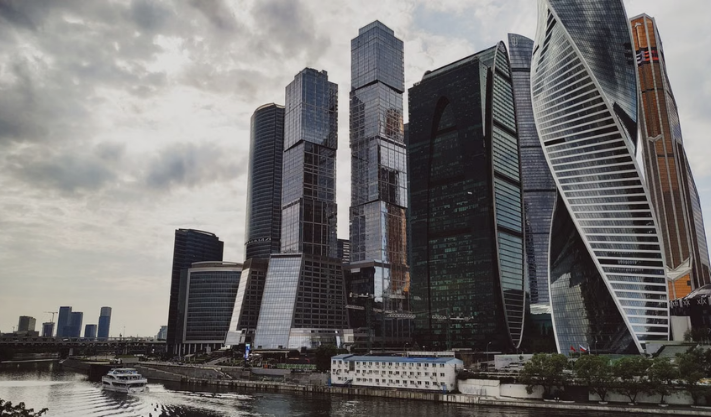
How to Invest in Russia and Start a Business?
Russia is a large market with opportunities across sectors such as energy, manufacturing, agriculture, technology, logistics, retail, construction, and natural resources. However, for foreign investors, entering the Russian market requires careful consideration of company formation rules, foreign-investment regulations, taxation, banking, currency controls, licensing, and applicable international restrictions.
So, how can a foreign investor invest in Russia and start a business? Can foreigners own a Russian company? What business structures are available? Do foreign investors need a Russian partner, and what taxes and registrations apply?
This FAQ-style guide explains the key considerations for starting a business in Russia as a foreign investor in clear and practical language.
Can Foreigners Invest in Russia?
Yes, foreign individuals and companies can invest in Russia, subject to applicable Russian laws and restrictions.
Foreign investors may establish businesses, acquire interests in companies, enter into commercial agreements, or make other permitted investments.
However, some sectors and transactions may be subject to special rules. Additional restrictions can apply to strategic industries, natural resources, media, financial services, defence-related activities, and other regulated areas.
Foreign investors should therefore check the rules that apply to their specific industry and proposed transaction before committing capital.
Can a Foreigner Start a Business in Russia?
Yes. A foreign entrepreneur can establish a business in Russia, subject to company registration, immigration, tax, licensing, and other legal requirements.
A foreign investor may establish a Russian legal entity or, depending on the circumstances, operate through a branch or representative office of an overseas company.
The appropriate structure depends on factors such as:
-
Business activity
-
Ownership
-
Investment plans
-
Tax considerations
-
Number of employees
-
Location
-
Licensing requirements
-
Long-term expansion plans
Can a Foreign Investor Own 100% of a Russian Company?
In many business activities, foreign investors can own a Russian company entirely, but ownership restrictions can apply to particular sectors and transactions.
There is no universal requirement for every foreign investor to have a Russian business partner.
However, special rules may apply to strategic enterprises, regulated industries, land, natural resources, media, and other areas.
Foreign investors should verify ownership requirements before choosing a business structure or purchasing shares in an existing Russian company.
What Is the Best Business Structure for a Foreign Investor in Russia?
A limited liability company is one of the common structures considered by foreign investors entering the Russian market.
Common options can include:
-
Limited Liability Company (OOO)
-
Joint-stock company
-
Branch of a foreign company
-
Representative office
-
Other permitted legal structures
An OOO can be suitable for many small and medium-sized commercial businesses because it provides a separate legal entity and limited liability for its participants, subject to Russian law.
A joint-stock company may be considered for businesses with more complex ownership or investment structures.
The right structure depends on the investor’s business model, ownership requirements, financing plans, and tax position.
How Do I Register a Company in Russia?
A foreign investor generally needs to choose a legal structure, prepare the required documents, and register the business with the relevant Russian authorities.
The process may include:
-
Choosing the business activity
-
Selecting the legal structure
-
Choosing a company name
-
Determining the ownership structure
-
Preparing incorporation documents
-
Appointing directors or managers
-
Providing the registered address
-
Preparing shareholder information
-
Filing the registration application
-
Obtaining the company’s tax registration details
-
Opening a corporate bank account
-
Obtaining required licenses and permits
Foreign documents may need to be legalized or otherwise prepared for use in Russia, depending on their country of origin and the applicable requirements.
Does a Foreign Investor Need a Russian Partner?
Not necessarily. The requirement depends on the business activity and applicable ownership rules.
Many ordinary commercial activities may be open to foreign ownership.
However, specific sectors can have foreign-ownership restrictions, approval requirements, or other conditions.
Before establishing a company, investors should determine whether their proposed activity falls within a regulated or restricted category.
Do Foreign Investors Need a Russian Business Address?
Yes. A Russian legal entity generally needs a registered address in Russia.
The registered address is used for official correspondence and company registration purposes.
The requirements for the registered address and supporting documents depend on the legal structure and applicable registration rules.
Foreign investors should ensure that the address is properly documented and can be used for the company’s registration.
What Documents Are Needed to Start a Business in Russia?
The required documents depend on the business structure, ownership, investor nationality, and type of activity.
Foreign investors may need:
-
Passport or identification documents
-
Company incorporation documents
-
Information about shareholders
-
Director or manager information
-
Registered address
-
Company charter
-
Ownership information
-
Business activity details
-
Corporate documents of a foreign shareholder
-
Powers of attorney, where required
Documents issued outside Russia may require translation into Russian and, depending on the document and country, legalization, apostille, or another form of authentication.
What Taxes Do Businesses Pay in Russia?
Russian businesses may be subject to several federal and regional taxes depending on their activities and tax regime.
Potential tax obligations can include:
-
Corporate income tax
-
Value Added Tax (VAT)
-
Personal income tax
-
Social contributions
-
Property-related taxes
-
Other applicable regional or local taxes
The applicable tax treatment depends on the company’s legal structure, revenue, employees, business activity, and tax regime.
Foreign-owned businesses should also consider cross-border payments, withholding taxes, tax treaties where applicable, and reporting obligations in the investor’s home country.
Do I Need a Business License in Russia?
It depends on the type of business you plan to operate.
Not every company requires a special business license. However, regulated activities may require licenses, permits, registrations, or government approvals before operations begin.
Examples of potentially regulated sectors include:
-
Financial services
-
Healthcare
-
Pharmaceuticals
-
Transportation
-
Telecommunications
-
Education
-
Construction
-
Energy
-
Natural resources
-
Security-related activities
Investors should identify the licensing requirements for their exact business activity before starting commercial operations.
Can an Overseas Company Start a Business in Russia?
Yes. An overseas company can establish a business presence in Russia, subject to applicable registration and regulatory requirements.
Depending on its objectives, an international company may consider establishing a Russian subsidiary, branch, or representative office.
A subsidiary is a separate Russian legal entity, while a branch or representative office operates as part of the foreign company.
The appropriate structure can affect taxation, liability, reporting, operations, and management, so it should be selected carefully.
Can a Foreign Investor Open a Russian Business Bank Account?
A foreign-owned Russian company may apply for a corporate bank account, but banks conduct their own compliance and due-diligence checks.
Banks may request information about:
-
Company registration
-
Beneficial owners
-
Directors
-
Shareholders
-
Business activity
-
Source of funds
-
Expected transactions
-
Identification documents
-
Corporate documents
Foreign investors should be aware that international banking restrictions, sanctions, correspondent-bank relationships, and payment limitations can significantly affect cross-border transactions involving Russia.
Are There Restrictions on Investing in Russia?
Yes. Foreign investors must consider current Russian regulations as well as applicable international sanctions and restrictions.
The legal and financial environment surrounding Russia can change quickly. Restrictions may apply to particular sectors, individuals, companies, financial transactions, technology transfers, imports, exports, investments, and cross-border payments.
Investors from countries such as India, the United States, the United Kingdom, European Union member states, and other jurisdictions may face different legal requirements depending on their nationality, residence, financial institutions, and transaction structure.
Because these rules can change, investors should obtain up-to-date legal and sanctions advice before making an investment.
What Are the Main Steps to Invest in Russia and Start a Business?
The general process can be summarized as follows:
-
Choose the business activity and target market.
-
Research Russian market conditions and competitors.
-
Check foreign-investment restrictions.
-
Review applicable sanctions and international restrictions.
-
Choose the appropriate business structure.
-
Decide on the ownership structure.
-
Prepare the required corporate documents.
-
Arrange a suitable Russian registered address.
-
Register the company with the relevant authorities.
-
Complete tax registration and other required registrations.
-
Open a corporate bank account, subject to banking requirements.
-
Obtain sector-specific licenses and permits.
-
Establish accounting and reporting procedures.
-
Hire employees and complete required registrations.
-
Begin commercial operations after meeting the applicable requirements.
The exact procedure can vary significantly depending on the investor, business activity, ownership structure, and current regulations.
What Should Foreign Investors Know Before Investing in Russia?
Foreign investors should look beyond company registration and evaluate the wider commercial and regulatory environment.
Important considerations include:
-
Foreign-ownership restrictions
-
Sanctions compliance
-
Banking and payment access
-
Currency and foreign-exchange rules
-
Tax obligations
-
Licensing requirements
-
Employment regulations
-
Import and export controls
-
Intellectual property
-
Data and technology regulations
-
Business insurance
-
Political and regulatory risk
-
Repatriation of profits
-
Exit strategies
A detailed legal, tax, commercial, and sanctions review can help identify potential restrictions before significant capital is committed.
FAQs
Can an Indian Citizen Start a Business in Russia?
Yes, Indian entrepreneurs may be able to establish or invest in Russian businesses, subject to Russian company, tax, investment, immigration, banking, and applicable international requirements.
Can a Foreigner Own 100% of a Russian Company?
In many sectors, foreign ownership can be possible, but specific industries and transactions may have additional restrictions or approval requirements.
Do I Need a Russian Partner to Start a Business?
Not necessarily. Whether a local partner is required depends on the business activity and applicable foreign-ownership rules.
How Much Money Do I Need to Start a Business in Russia?
There is no single investment amount applicable to every foreign business. Capital requirements depend on the legal structure, business activity, operating costs, licensing requirements, and investment strategy.
Can I Invest in Russia From Outside Russia?
Potentially, yes. Foreign investors can explore investment opportunities without necessarily becoming Russian residents, but the transaction must comply with applicable Russian laws, banking rules, sanctions, and other restrictions.
Final Takeaway
Investing in Russia and starting a business as a foreign investor requires more than simply registering a company. Investors need to evaluate the business activity, ownership rules, legal structure, taxation, licensing, banking, immigration requirements, and applicable international restrictions.
For many foreign entrepreneurs, the process begins with researching the Russian market, checking whether the proposed activity is open to foreign investment, selecting an appropriate legal structure, preparing the required documents, registering the business, arranging banking and tax compliance, and obtaining any necessary licenses.
Because regulations, sanctions, banking conditions, and cross-border investment rules can change, foreign investors should verify the current requirements before transferring funds, establishing a company, or entering into a significant transaction.
A properly planned market-entry strategy can help investors understand the regulatory environment, identify potential restrictions, and structure their Russian business activities more effectively.
Also Read:-
What Is the Role of Technology in Business Growth in Spain?
How Entrepreneurs Build Businesses With Lower Operating Costs
How Much Does Gold Rate in Europe?