
How Much Does Gold Cost in Europe Today?
As of September 15, 2026, the gold rate in Europe is approximately €119.36 per gram for 24K gold, €109.33 per gram for 22K gold, and €89.52 per gram for 18K gold.
European gold prices are closely connected to the international gold market. Rates can change throughout the day because of movements in global gold prices, currency exchange rates, interest rates, inflation, investor demand and geopolitical developments.
So, what is the gold price in Europe today?
In simple terms, 24K gold is the purest form of gold and generally has the highest price per gram. 22K gold is approximately 91.6% pure and is widely used for jewellery, while 18K gold contains around 75% pure gold and is often chosen for durability and modern designs.
What Is the 24K Gold Price in Europe Today?
The 24K gold price in Europe is approximately €119.36 per gram as of September 15, 2026.
24K gold is approximately 99.9% pure gold. Because it contains very little of other metals, it generally has a higher value per gram than lower-purity gold.
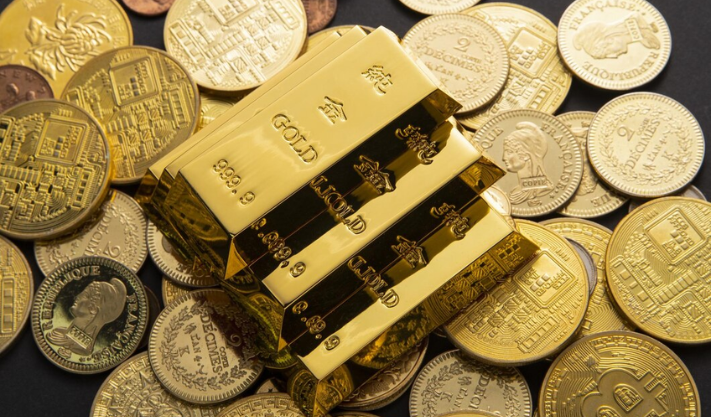
24K gold is commonly used for:
-
Gold bars
-
Gold coins
-
Investment products
-
High-purity gold items
However, the market rate is not necessarily the final price a customer will pay. Dealers, retailers and jewellery stores may add premiums, taxes, workmanship charges and other applicable costs.
What Is the 22K Gold Price in Europe Today?
The 22K gold price in Europe is approximately €109.33 per gram.
22K gold contains around 91.6% pure gold. It is commonly used for traditional jewellery because it provides a high gold content while offering greater durability than 24K gold.
For anyone searching for the 22K gold price in Europe today, the per-gram rate is a useful starting point. However, the final price of jewellery can also depend on its weight, design, craftsmanship, retailer markup and applicable taxes.
The amount paid at a jewellery shop may therefore be higher than the quoted market value of the gold.
What Is the 18K Gold Price in Europe?
The 18K gold price in Europe is approximately €89.52 per gram.
18K gold contains approximately 75% pure gold, while the remaining 25% consists of other metals.
These additional metals make 18K gold harder and more durable than higher-purity gold. For this reason, 18K gold is widely used for:
-
Engagement rings
-
Contemporary jewellery
-
Everyday jewellery
-
Modern designs
If your priority is the highest possible gold purity, 24K or 22K gold may be more suitable. If durability and design flexibility are more important, 18K gold can be a practical choice.
How Much Is 10 Grams of Gold Worth in Europe?
Based on the current reported per-gram rates, 10 grams of gold would have an approximate market value of:
-
24K gold: €1,193.60
-
22K gold: €1,093.30
-
18K gold: €895.20
These figures represent the estimated value of the gold itself.
They should not be considered the final selling price. Jewellery stores and dealers may add making charges, premiums, taxes and other applicable costs.
Why Does the Gold Price Change in Europe?
Gold is traded on a global market, so European gold prices are influenced by changes in international financial and economic conditions.
Several factors can affect the gold rate in Europe, including:
-
International gold prices
-
EUR/USD exchange-rate movements
-
Strength of the U.S. dollar
-
European and U.S. interest-rate expectations
-
Inflation
-
Central-bank gold purchases
-
Global investment demand
-
Geopolitical developments
-
Gold supply and demand
Because of these factors, the gold price can change from one day to another and even during the same trading day.
Does the Europe Gold Rate Include Jewellery Charges?
Usually, the quoted gold price per gram represents the underlying value of the gold and does not include the complete price of a finished jewellery item.
For example, if you buy a 20-gram 22K gold necklace, multiplying 20 grams by the current 22K gold rate gives you an approximate gold value.
It does not necessarily represent the final amount you will pay.
The final jewellery price can depend on:
-
Gold purity
-
Gold weight
-
Making charges
-
Design and craftsmanship
-
Retailer margins
-
VAT or other applicable taxes
-
Certification costs
-
Other service charges
Therefore, buyers should always ask for the final payable price rather than relying only on the advertised gold rate.
Is Gold the Same Price Everywhere in Europe?
No. The underlying international gold price is closely connected across European markets, but the final retail price can vary from one country to another.
Europe includes countries with different currencies, tax systems, jewellery markets and retail pricing structures.
The price paid by a consumer in Germany, France, Italy, Spain or another European country may therefore differ even when the underlying gold market is similar.
Currency conversion, VAT, dealer premiums, manufacturing charges and local market conditions can all influence the final price.
When comparing gold prices across Europe, always compare the same purity, same weight and same type of gold product.
Why Is Gold Priced in Euros in Europe?
The euro is a major currency used across Europe, making EUR per gram a convenient reference for European gold prices.
However, international gold prices are generally quoted in U.S. dollars per troy ounce. European gold prices are therefore affected by both movements in the international gold market and the EUR/USD exchange rate.
If the euro strengthens or weakens against the U.S. dollar, the euro-denominated gold price can change even if the dollar gold price remains relatively stable.
This makes currency movements an important factor when following the gold price in Europe.
Is Gold Cheaper in Europe Than in the USA, Dubai or India?
There is no universal answer because the final selling price depends on several factors.
The underlying gold price is connected to the international market, but consumers may pay different amounts because of:
-
Currency exchange rates
-
VAT and other taxes
-
Import duties
-
Dealer premiums
-
Jewellery-making charges
-
Retailer margins
-
Local market conditions
If you are comparing gold prices in Europe, the USA, Dubai and India, compare the same purity and weight.
For jewellery, always include making charges and taxes in the comparison. A lower advertised gold rate does not necessarily mean a lower final purchase price.
What Is the Best Gold Purity for Jewellery in Europe?
There is no single gold purity that is best for everyone.
24K gold provides the highest purity but is relatively soft, which can make it less suitable for some jewellery designed for daily wear.
22K gold is a popular choice for traditional jewellery because of its high gold content.
18K gold contains less pure gold but is harder and more durable. It is well suited to contemporary jewellery and everyday use.
The best choice depends on whether your priority is purity, durability, appearance, design or investment value.
Is It a Good Time to Buy Gold in Europe?
There is no guaranteed perfect time to buy gold.
Gold prices can rise or fall because of interest rates, inflation, currency movements, geopolitical developments and changes in investor demand.
If you are buying jewellery for personal use, it may be more useful to focus on the total cost, gold purity, weight and making charges rather than trying to predict short-term price movements.
If you are purchasing gold as an investment, remember that prices can fluctuate and future returns are not guaranteed.
What Should You Look for When Buying Gold in Europe?
Before purchasing gold, make sure you understand exactly what you are paying for.
Check the following:
-
Gold purity or karat
-
Weight in grams
-
Current gold rate
-
Making charges
-
Dealer markup or premium
-
VAT or applicable taxes
-
Hallmark or certification
-
Final purchase price
For jewellery, check the purity marking or hallmark where applicable.
It is also useful to compare the final price from several trusted sellers before making a purchase.
What Will Happen to Gold Prices in Europe in the Future?
Future gold prices in Europe will depend largely on international economic and financial conditions.
Interest rates, inflation, the U.S. dollar, the euro, central-bank purchases, investment demand and geopolitical developments can all influence gold prices.
The euro exchange rate is particularly important because international gold prices are commonly quoted in U.S. dollars.
However, today’s gold price should not be interpreted as a guaranteed forecast of tomorrow’s price. The current rate is simply a snapshot of market conditions, and gold prices can move higher or lower in the future.
FAQs
What is the gold rate in Europe today?
As of September 15, 2026, the reported rate is approximately €119.36 per gram for 24K gold, €109.33 for 22K gold, and €89.52 for 18K gold.
What is the 24K gold price in Europe?
The 24K gold price in Europe is approximately €119.36 per gram.
What is the 22K gold price in Europe?
The 22K gold price in Europe is approximately €109.33 per gram.
How much is 10 grams of 24K gold in Europe?
At the current quoted rate, 10 grams of 24K gold is approximately €1,193.60, before dealer premiums, taxes or other applicable costs.
Is gold cheaper in Europe than in the USA or Dubai?
The underlying international gold price is closely connected, but the final retail price can differ because of currency exchange rates, taxes, dealer premiums, import costs and jewellery-making charges.
Conclusion
The gold rate in Europe today is approximately €119.36 per gram for 24K gold, €109.33 per gram for 22K gold, and €89.52 per gram for 18K gold as of September 15, 2026.
These figures provide a useful reference for people searching for the gold rate in Europe today, 24K gold price in Europe, 22K gold price in Europe, gold price per gram in Europe, or gold price in euros today.
However, Europe does not have one unified retail gold price. The final amount paid by a buyer can vary by country because of currency differences, VAT, dealer premiums, making charges and local market conditions.
Gold prices can also change throughout the day as global markets respond to interest rates, inflation, currency movements, economic data, investor demand and geopolitical events.
If you are buying jewellery, coins or gold bars, always check the latest market rate and confirm the complete final price, including any applicable premiums, taxes, manufacturing charges and other costs, before completing your purchase.
Also Read:-
How Is France Preparing for the Future of Energy?
What Are the Requirements to Start a Business in France?
How Can You Invest in the Stock Market in Germany?