
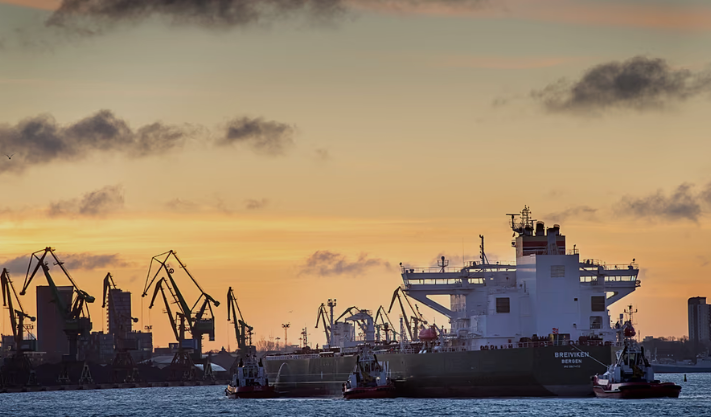
Norway’s Oil Exports Rise 68% in March Due to Iran War
Norway’s oil exports increased sharply in March, reaching very high levels not seen in years. This rise happened because of problems in global oil supply caused by the war in Iran and the closure of an important shipping route called the Strait of Hormuz. These events pushed oil prices higher, which helped Norway earn more from its exports.
According to Statistics Norway, the country’s crude oil exports reached a record level in March. The conflict in Iran and the shutdown of the Strait of Hormuz made it harder for oil to move around the world. As a result, global supply dropped, and prices went up. This situation worked in Norway’s favor, as it is a major oil exporter.
Norway is the largest producer of oil and natural gas in Europe, not counting Russia. The country plays a key role in supplying energy to many parts of the world, especially Europe. Because of this, any increase in oil prices usually benefits Norway’s economy.
The Strait of Hormuz is one of the most important shipping routes in the world for energy. In normal times, about 20% of the world’s crude oil and liquefied natural gas (LNG) passes through this narrow waterway. When the strait is closed or disrupted, it can cause major problems in global energy supply.
An analyst named Jan Olav Rorhus explained that the closure of the Strait of Hormuz created a big shock in the oil market. This supply shock reduced the availability of oil and pushed prices higher. Because of this, Norway earned more money from its oil exports than ever before.
In March, Norway’s crude oil exports were worth 57.4 billion kroner, which is about €5.16 billion. This is a 67.9% increase compared to the same month last year. The sharp rise shows how much global events can affect a country’s export earnings, especially when it depends heavily on natural resources like oil and gas.
Oil prices also reached a high level during the month. The average price was 1,014 kroner per barrel, which is around €91 or $107. This is the highest monthly average price since September 2023. Higher prices mean that even if the amount of oil sold stays the same, the total value of exports increases.
The rise in Norway’s oil earnings has also caught international attention. US President Donald Trump mentioned the situation in a post on Truth Social. He criticized the United Kingdom for not increasing its oil production in the North Sea, despite high demand for energy in Europe.
Trump said that Europe is in need of energy, but the UK is not making full use of its oil resources. He described the situation as “tragic” and said that Aberdeen, a key city for the UK’s oil industry, should be doing much better. He also claimed that Norway is selling its North Sea oil to the UK at double the price, making large profits.
Norway’s strong economy is largely built on its oil and gas resources. The country has managed its energy wealth carefully over the years. Instead of spending all the money from oil exports, Norway saves and invests a large portion of it for the future.
One of the most important tools for managing this wealth is Norway’s sovereign wealth fund. This fund is the largest in the world, with assets worth around $2.19 trillion, or €1.86 trillion. It is funded mainly by the country’s oil and gas revenues.
The fund was created in the early 1990s to ensure that Norway’s natural resource wealth benefits future generations. Since oil and gas resources are limited and may run out over time, the government uses the fund to support long-term financial stability.
The money in the fund is invested in various assets around the world, including stocks, bonds, and real estate. The goal is to grow the fund over time so that it can help pay for public services and support Norway’s welfare system in the future.
Norway’s welfare system is known for being generous, providing citizens with benefits such as healthcare, education, and social support. The sovereign wealth fund plays a key role in maintaining these services, especially as income from oil and gas may decrease in the coming years.
In summary, Norway’s oil exports saw a major increase in March due to global supply disruptions caused by the Iran war and the closure of the Strait of Hormuz. These events led to higher oil prices, allowing Norway to earn record export revenues. While this has boosted the country’s economy in the short term, Norway continues to focus on long-term planning by investing its oil wealth through its sovereign fund. This strategy helps ensure that the country remains financially stable even after its oil resources decline.
Also Read:-
Allbirds stock jumps 550% on bold AI business pivot
Net zero goal with new rules, avoid costly overspending
Entire Irish village with luxury spa now for sale