
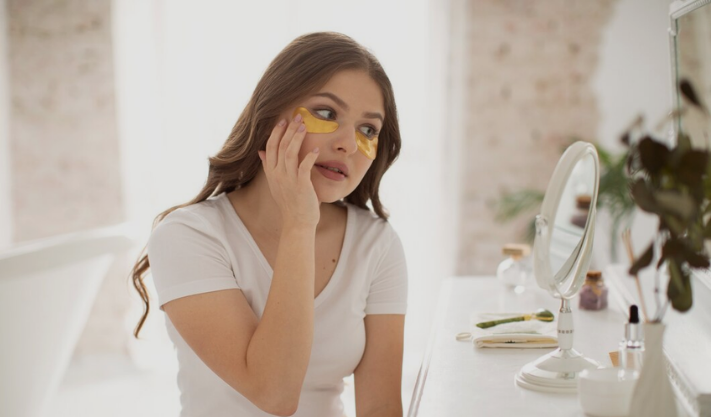
What Are the Top 10 Skincare Tips for Clear Skin?
Clear, healthy-looking skin starts with the right daily habits. You do not always need an expensive skincare routine or dozens of products to improve your complexion. A simple routine that includes cleansing, moisturizing, sun protection, and healthy lifestyle choices can make a noticeable difference over time.
But what are the best skincare tips for clear skin? How often should you wash your face? Should you exfoliate every day? What should you avoid if you have acne-prone skin?
This FAQ-style guide answers the most common questions about achieving and maintaining clear skin with practical, easy-to-follow skincare tips.
What Are the Top 10 Skincare Tips for Clear Skin?
The top 10 skincare tips for clear skin are:
- Cleanse your face gently
- Moisturize every day
- Apply sunscreen daily
- Avoid touching your face
- Exfoliate carefully
- Choose non-comedogenic products
- Never pick or squeeze pimples
- Keep your skincare routine simple
- Maintain a healthy lifestyle
- Be consistent and patient
These habits can support healthier-looking skin and help prevent common problems such as clogged pores, dryness, irritation, and breakouts.
How Often Should You Wash Your Face for Clear Skin?
Wash your face twice a day, usually in the morning and before bed, and after heavy sweating.
A gentle cleanser can remove excess oil, dirt, sweat, makeup, and sunscreen without unnecessarily irritating the skin.
Washing your face too frequently or using a harsh cleanser can strip natural oils and weaken the skin barrier. This may lead to dryness, redness, or irritation.
Choose a cleanser based on your skin type. Oily skin may prefer a lightweight gel cleanser, while dry or sensitive skin may benefit from a gentle, hydrating formula.
Why Is Moisturizer Important for Clear Skin?
Moisturizer helps keep your skin hydrated and supports the natural skin barrier. Even oily and acne-prone skin needs moisture.
When the skin becomes excessively dry, it can feel irritated and uncomfortable. Using a suitable moisturizer can help maintain balance.
If you have oily or acne-prone skin, look for a lightweight, non-comedogenic moisturizer. Dry skin may benefit from a richer cream containing moisturizing and barrier-supporting ingredients.
Apply moisturizer after cleansing to help maintain comfortable, hydrated skin.
Is Sunscreen Necessary for Clear Skin?
Yes, daily sunscreen is an essential part of a healthy skincare routine.
Sun exposure can contribute to premature skin ageing, uneven pigmentation, and visible skin damage. Sunscreen also becomes particularly important when using certain skincare treatments or active ingredients that may increase sensitivity to sunlight.
Choose a broad-spectrum sunscreen and apply it during the day. Reapply as appropriate when spending extended periods outdoors, especially after sweating or swimming.
For additional protection, use shade, hats, sunglasses, and protective clothing.
Should You Avoid Touching Your Face?
Yes. Avoid touching your face unnecessarily throughout the day.
Your hands can carry dirt, oils, and other substances that may transfer to your skin. Frequent touching can also irritate existing blemishes.
Try to avoid resting your hands on your cheeks or repeatedly touching your forehead and chin.
Keeping your phone, pillowcases, towels, and other items that regularly contact your face reasonably clean can also be a useful part of good skincare hygiene.
How Often Should You Exfoliate for Clear Skin?
Exfoliation can help remove dead skin cells and improve the appearance of rough or dull skin, but over-exfoliation can cause problems.
You do not need to exfoliate every day. Depending on your skin type and the product you use, occasional gentle exfoliation may be enough.
Chemical exfoliants can contain ingredients such as alpha hydroxy acids or beta hydroxy acids. Physical exfoliants use particles or tools to remove surface buildup.
If your skin becomes red, burning, tight, or unusually sensitive, reduce exfoliation or stop the product and allow your skin to recover.
What Does Non-Comedogenic Mean?
Non-comedogenic means a product is formulated to be less likely to clog pores.
If you have oily or acne-prone skin, choosing non-comedogenic skincare and makeup products may be helpful.
However, a product labeled non-comedogenic is not a guarantee that it will work perfectly for every person. Skin can react differently to ingredients and formulations.
Introduce new products gradually and pay attention to how your skin responds.
Why Should You Never Pick Pimples?
Picking, squeezing, or scratching pimples can irritate the skin and potentially increase inflammation. It can also increase the risk of temporary marks and scarring.
Instead of squeezing a blemish, use appropriate skincare and give it time to heal.
If you frequently experience painful or persistent acne, professional advice may help you identify an appropriate treatment plan.
Can a Simple Skincare Routine Give You Clear Skin?
Yes, a simple skincare routine can be highly effective for maintaining healthy-looking skin.
You do not need to use ten different products at the same time. In fact, using too many active ingredients can sometimes cause irritation.
A basic routine can include:
Morning: Cleanser → moisturizer → sunscreen.
Evening: Cleanser → targeted treatment if needed → moisturizer.
Once your skin is comfortable with this foundation, you can gradually add products designed for specific concerns such as acne, pigmentation, or uneven texture.
Does Diet Affect Clear Skin?
Your overall diet can contribute to general health, which also supports normal skin function.
Try to eat a balanced diet that includes vegetables, fruits, whole grains, protein sources, and healthy fats. Staying adequately hydrated is also important for overall wellbeing.
There is no single food that guarantees clear skin, and dietary triggers can vary between individuals. If you notice that a particular food consistently seems to worsen your skin, discussing your concerns with a healthcare professional or registered dietitian may be helpful.
How Does Sleep Affect Your Skin?
Good-quality sleep is an important part of overall health and can support healthy-looking skin.
During sleep, the body carries out important recovery and repair processes. Poor sleep can contribute to a tired appearance and may make it harder to maintain healthy daily habits.
Try to maintain a regular sleep schedule and aim for adequate rest each night.
Skincare alone cannot replace healthy lifestyle habits. A combination of proper skincare, nutrition, sleep, hydration, and stress management can provide a more complete approach.
Can Stress Cause Skin Problems?
Stress can affect the body in many ways, and some people notice changes in their skin during stressful periods.
Stress may contribute to behaviors such as touching or picking the skin, poor sleep, or changes in daily routines.
Managing stress through regular physical activity, relaxation techniques, hobbies, social connection, and sufficient sleep may support overall wellbeing and indirectly benefit your skincare routine.
How Can You Keep Your Skincare Routine Consistent?
Consistency is one of the most important skincare tips for clear skin.
Instead of frequently changing products, choose a simple routine that fits your lifestyle and follow it regularly.
Give products enough time to show whether they are helping unless they cause irritation. Introducing several new products at once can make it difficult to determine which product is responsible for improvement or irritation.
A routine that takes only a few minutes and is easy to repeat every day is often more sustainable than a complicated routine.
What Skincare Ingredients Are Helpful for Clear Skin?
Several skincare ingredients can be useful depending on your individual concerns.
Niacinamide may support the skin barrier and is commonly included in products for oily or uneven-looking skin. Salicylic acid is often used in products designed for clogged pores and acne-prone skin. Hyaluronic acid helps support hydration, while retinoids are widely used for acne and skin renewal.
However, more active ingredients do not necessarily mean better results. Using too many strong ingredients together can cause irritation.
Choose products based on your specific skin needs and introduce active ingredients gradually.
What Skincare Mistakes Should You Avoid?
Some common skincare mistakes can make it harder to maintain clear-looking skin.
Avoid excessive face washing, aggressive scrubbing, picking pimples, sleeping with makeup on, skipping sunscreen, and constantly switching products.
Another common mistake is using products simply because they are popular online. A product that works for one person’s skin may not be suitable for another person’s skin type.
Always consider your own skin concerns before adding a new product.
How Long Does It Take to Get Clear Skin?
Clearer-looking skin usually takes time and consistent care.
Some improvements, such as increased hydration, may become noticeable relatively quickly. Acne, pigmentation, uneven texture, and other concerns often require a longer period of consistent skincare.
Avoid expecting overnight results from skincare products. Take progress gradually and focus on long-term skin health rather than quick fixes.
If acne is severe, painful, persistent, or causing scars, consult a qualified dermatologist rather than relying only on over-the-counter skincare.
What Is the Best Daily Routine for Clear Skin?
A simple daily routine can be enough for many people.
Morning Routine
Start with a gentle cleanser if needed, followed by a suitable moisturizer. Finish with broad-spectrum sunscreen.
Evening Routine
Cleanse your face to remove makeup, sunscreen, sweat, and impurities. Apply a suitable treatment product if required, followed by moisturizer.
Avoid adding multiple strong active ingredients at once. Keep your routine comfortable and adjust products according to your skin’s response.
Final Answer
The best skincare tips for clear skin are to cleanse gently, moisturize regularly, use sunscreen, avoid touching your face, exfoliate carefully, choose suitable products, avoid picking pimples, maintain a simple routine, follow healthy lifestyle habits, and stay consistent.
Clear skin is not about achieving perfection. It is about maintaining a healthy skin barrier and addressing specific concerns appropriately.
The most effective routine is one that matches your skin type and that you can follow consistently. If you have persistent acne, severe irritation, unusual skin changes, or scarring, professional dermatological advice can help you choose the right treatment.
Frequently Asked Questions
How can I get clear skin naturally?
Follow a gentle skincare routine, stay hydrated, eat a balanced diet, get enough sleep, protect your skin from the sun, and avoid picking pimples.
What is the most important skincare tip for clear skin?
Consistency is key. A simple routine with cleansing, moisturizing, and daily sunscreen can provide a strong foundation for healthy-looking skin.
How can I prevent pimples?
Keep your skin clean without over-washing, choose non-comedogenic products, avoid touching your face, and do not squeeze existing pimples.
Is exfoliation good for clear skin?
Yes, gentle exfoliation can help remove dead skin cells, but excessive exfoliation can cause irritation and damage the skin barrier.
How quickly can I get clear skin?
Results vary by person and skin concern. Simple improvements may take weeks, while acne and other persistent concerns may require several months of consistent care.
Also Read:-
Where Are the Best Places to Buy Real Estate in Switzerland?
How Can You Make Money Online in Russia?
What Are the Best Places to Visit in France in 2026?