
Electric Cars: Which European Countries Offer the Most Support in 2026?
Sales of electric cars are increasing across Europe, and experts believe this growth will continue. One of the main reasons is the rising cost of petrol. Higher fuel prices, partly caused by tensions and conflict in Iran, are pushing people to look for cheaper and cleaner alternatives. As a result, many buyers are now choosing electric vehicles (EVs) instead of traditional fuel-powered cars.
European countries have supported electric cars for many years. Governments have offered different types of help, such as financial incentives and tax benefits, to encourage people to switch. The recent energy crisis, linked to the conflict in Iran, has made this support even more important. It has shown how useful electric cars can be in reducing dependence on fossil fuels like petrol and diesel.
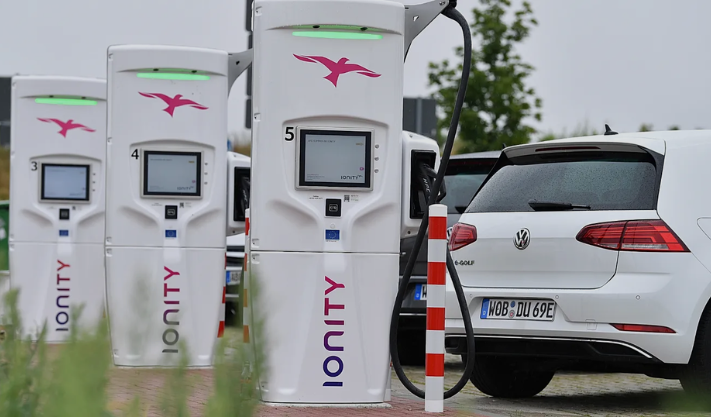
France is a strong example of this trend. The country has decided to increase its investment in electric mobility. The government plans to almost double its spending, from €5.5 billion to €10 billion per year by 2030. This announcement was made by Prime Minister Sebastien Lecornu in April 2026. The plan includes more support for buying electric cars and building charging stations.
France also has a clear goal for the future. By 2030, it wants two out of every three new cars sold to be electric. To make this possible, the government is introducing a social leasing program. This program will cover 100,000 electric vehicles for people with low incomes and those who travel long distances for work. It aims to make electric cars more affordable for everyone.
The growth of electric car sales is already visible across Europe. In 2025, battery-electric vehicles made up 17.4% of the total car market in the European Union. This was an increase from 13.6% in 2024. The trend is continuing in 2026, with electric cars reaching 18.8% of the market in the first two months of the year. These numbers come from the European Automobile Manufacturers’ Association (ACEA).
Global events have also affected energy markets. Joint military actions by the United States and Israel against Iran, followed by Iran’s response, have created uncertainty. This has caused fuel prices to rise and made energy supplies less stable. In response, European countries are trying to reduce their reliance on fossil fuels. One of the main ways they are doing this is by promoting electric vehicles, which produce fewer emissions and can run on renewable energy.
According to a recent report by ACEA, almost all European Union countries offer some kind of support for electric vehicles. These supports usually come in the form of tax benefits when buying or owning a car. Latvia is the only EU country that does not currently offer such benefits. However, the level and type of support vary widely between countries.
The report also includes countries outside the EU, such as Iceland, Norway, Switzerland, and the United Kingdom. It shows that six countries do not offer direct purchase incentives for electric cars. This means that while many governments support EVs, not all provide financial help at the time of purchase.
There are four main types of support offered across Europe. These include purchase grants, tax reductions when buying a car, lower taxes during ownership, and support for installing private charging stations. Some countries use all these methods, while others only use one or two.
Experts say that financial support is very important for increasing the use of electric cars. When governments provide incentives, more people are willing to buy EVs. In many cases, sales increase quickly after new incentives are introduced.
The amount of financial support that buyers receive can depend on different factors. These include a person’s income level and whether they replace an old car with a new electric one. In some countries, higher incentives are given to people with lower incomes or those who scrap older, more polluting vehicles.
Italy offers one of the highest levels of support. Buyers can receive up to €11,000, depending on their income and whether they replace an old car. Cyprus also provides strong incentives, with up to €9,000 for a vehicle and up to €20,000 for certain groups. Slovenia offers up to €7,200, while Malta provides between €6,000 and €8,000, along with extra bonuses for scrapping old cars.
Germany and France also offer significant support. In Germany, buyers can receive up to €6,000 based on their income. France provides up to €5,700 through different programs. Spain offers up to €4,500 for electric cars made in the EU, and Portugal gives a maximum of €4,000.
Tax benefits are another important form of support. These benefits can be applied when buying the car or during the time a person owns it. Some countries offer multiple tax exemptions, which can greatly reduce the total cost of owning an electric vehicle.
Norway has one of the best systems for tax benefits. The country offers full exemption from VAT (value-added tax) for electric cars up to a certain price, along with no purchase tax. This has helped Norway achieve very high adoption rates. In 2025, 95.9% of all new cars sold in Norway were electric.
Several EU countries also provide strong tax advantages. Bulgaria, Cyprus, Portugal, Greece, and Hungary do not charge registration tax or annual road tax for electric vehicles. Italy offers a five-year exemption from ownership tax, while Romania charges a very low yearly tax for EVs.
Germany provides additional benefits, such as a 10-year exemption from vehicle tax and support for installing home charging stations. Even after earlier subsidies ended in 2023, electric car sales in Germany remained strong. A new incentive introduced in 2026 has helped boost sales again.
Poland is another country with strong support. It offers purchase incentives of up to PLN 40,000 (about €9,440) and does not charge excise duty on electric vehicles. Its “NaszEauto” program has quickly increased the number of electric cars on the road.
Other countries offer a mix of smaller incentives and tax reductions. For example, Belgium has very low registration and annual taxes for zero-emission vehicles. Bulgaria exempts EVs from taxes but does not provide extra financial support. Spain gives a 15% income tax reduction of up to €3,000 and reduces road tax by up to 75%. It also supports the installation of home charging systems.
Experts say that affordability is the key factor in the shift to electric vehicles. If electric cars are too expensive, many people will not buy them, even if charging stations are widely available. Financial incentives help lower the cost and make EVs more accessible to a larger number of people.
Incentives also build confidence among buyers. They make people feel more secure about switching to a new type of vehicle. As more people adopt electric cars, the market grows, and prices may become more competitive over time.
In conclusion, Europe is moving steadily toward electric mobility. Many countries are increasing their support through financial incentives and tax benefits. While the level of support differs from one country to another, the overall trend is clear. Governments see electric vehicles as an important solution for reducing emissions, lowering fuel dependence, and creating a more sustainable future.
Also Read:-
Norway’s Oil Exports Rise 68% in March Due to Iran War
Allbirds stock jumps 550% on bold AI business pivot
Net zero goal with new rules, avoid costly overspending