
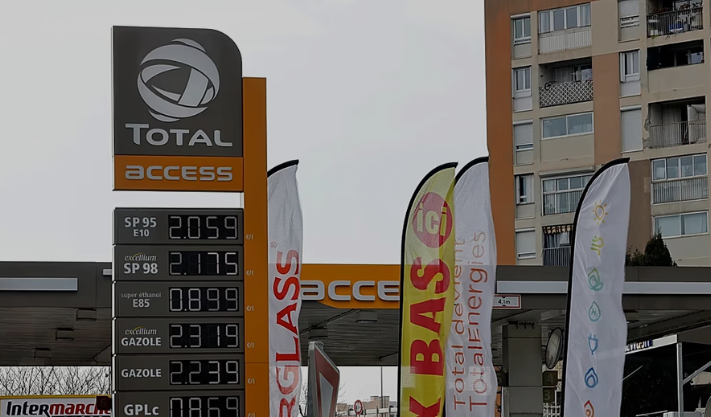
EU Ministers Consider Using Oil Reserves to Control Energy Prices and Inflation
European Union economy and finance ministers are meeting in Brussels to discuss how to deal with rising energy prices and possible inflation caused by the ongoing war involving Iran. One of the options being discussed is releasing oil from emergency reserves to help stabilize the market.
The meetings are taking place on Monday and Tuesday, where ministers are looking for ways to reduce pressure on energy markets. Rising oil prices have already started affecting global markets, and European leaders want to prevent the situation from becoming worse.
French Economy Minister Roland Lescure said governments are ready to take coordinated actions if needed. After chairing a meeting of finance ministers from the Group of Seven (G7), he told reporters that countries are prepared to use different tools to stabilize energy markets.
“We are ready to take the necessary and coordinated steps to stabilize markets, such as using strategic oil reserves,” Lescure said.
However, he also made it clear that the decision to release oil reserves has not yet been made. When asked whether G7 finance ministers had agreed to release oil from the system’s emergency stockpiles, Lescure said the group is not at that stage yet.
According to him, ministers only agreed that all possible tools should remain available, including the potential use of emergency reserves if the situation becomes more serious. Discussions on this issue will continue in the coming days.
Germany has also commented on the issue. German Vice-Chancellor Lars Klingbeil said his country is open to the idea of releasing oil reserves if necessary. However, he added that the current moment is not the right time to do so.
Countries that are members of the International Energy Agency currently hold more than 1.2 billion barrels of emergency public oil reserves. In addition, around 600 million barrels are stored by private industry under government requirements. These reserves are meant to be used during major global supply disruptions.
Oil prices have increased sharply since the military conflict involving Iran escalated at the end of February. The crisis began after Israeli and U.S. attacks on Iran on 28 February. The strikes reportedly killed several Iranian leaders, including the country’s supreme leader, Ayatollah Ali Khamenei.
The conflict has since spread to other parts of the Middle East. Countries such as Lebanon and several Gulf states have also been affected. Iran has responded with attacks targeting energy facilities and U.S. military bases in the region.
Following the death of the Iranian leader, his son Mojtaba Khamenei was chosen on Monday to take over leadership. His appointment is expected to maintain continuity in Iran’s current political system.
The rising tensions have pushed global oil prices higher. The price of Brent crude oil, the international benchmark, climbed to about $119.50 per barrel early Monday. Later in the day, prices fell to around $107.80 after reports suggested that governments might release oil reserves to calm markets.
Financial markets have also reacted strongly to the crisis. Major European stock markets began the week with heavy losses. This followed large declines in Asian markets and growing concerns over high energy prices.
The conflict currently shows no clear signs of ending. On 4 March, Qatar announced that it had suspended production of liquefied natural gas (LNG). Over the weekend, Israel reportedly attacked Iranian energy infrastructure. At the same time, shipping through the important Strait of Hormuz remained suspended, raising further concerns about global energy supply.
European officials believe the situation will likely push energy prices higher and increase inflation in the coming months. However, some diplomats and officials from the European Commission say the situation is different from the energy crisis Europe faced after Russia invaded Ukraine in 2022.
European Energy Commissioner Dan Jorgensen said Europe is now better prepared to deal with energy shocks. Writing on social media, he explained that Europe has taken strong steps over the past few years to strengthen its energy system.
According to him, Europe now has more diverse energy sources, stronger coordination between countries, and greater use of cleaner energy.
Jorgensen also encouraged the EU to continue investing in renewable energy and improving energy efficiency while modernizing energy infrastructure across the region.
Spain’s Economy Minister Carlos Cuerpo said the European Union should learn from how it handled the 2022 energy crisis when planning its response to the current conflict.
An EU official also said this crisis is structurally different from the one in 2022. At that time, Europe needed to quickly find new energy suppliers after reducing dependence on Russian energy. In the current situation, officials believe that reopening key trade routes and possibly releasing oil reserves could help lower prices more quickly.
However, the situation remains highly uncertain. Much will depend on when shipping through the Strait of Hormuz can resume and when major LNG producers restart production.
During the meetings in Brussels, EU ministers are expected to discuss the situation with the European Commission. Finance ministers from euro-area countries will also talk with the European Central Bank about how the conflict could affect inflation and the wider economy.
Although no common EU strategy is expected to be announced immediately after the meetings, officials will provide updates on the situation. Many member states are also likely to share their own national assessments of how the conflict may affect their economies.
Also Read:
Simple recruiting strategies to help small businesses hire better
European markets fall as oil and gas prices rise
Iran attacks Gulf energy sites, shaking markets, raising fears