
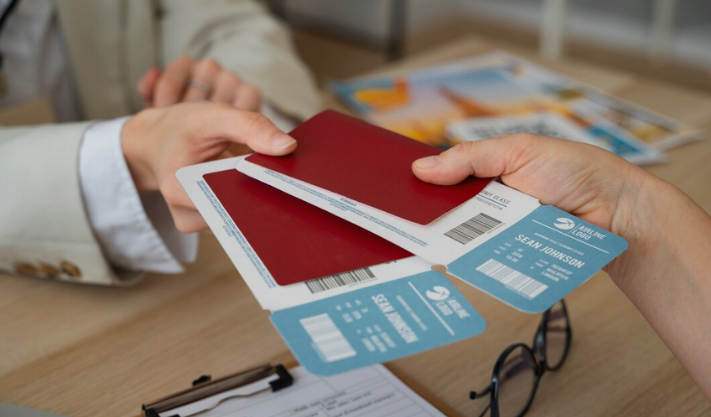
Step by Step Guide: How to Apply for a Passport in Switzerland?
For Swiss citizens planning to travel internationally, getting a passport is an important process. A Swiss passport is an official identity and travel document that proves Swiss nationality and allows citizens to travel to other countries.
Whether you are applying for a passport for the first time, renewing an existing passport, getting one for a child, or replacing a lost or damaged document, understanding the application process can make things much easier.
In Switzerland, passport applications are generally handled through the relevant cantonal passport office or biometric centre. Swiss citizens living abroad can normally apply through the appropriate Swiss representation responsible for their country of residence.
This step-by-step guide explains how to apply for a passport in Switzerland, including eligibility, required documents, biometric registration, application procedures, renewal, children’s passports, lost or damaged passports, emergency passports, applications from abroad, common mistakes, and frequently asked questions.
What Is a Swiss Passport?
A Swiss passport is an official travel document issued to Swiss citizens. It confirms the holder’s Swiss nationality and can be used for international travel.
Swiss passports contain biometric information and security features designed to protect the document against identity fraud and unauthorized use.
A Swiss passport is different from a Swiss residence permit. Simply living in Switzerland or holding a Swiss residence permit does not automatically make someone eligible for a Swiss passport.
Swiss citizenship is required to obtain a Swiss passport.
Who Is Eligible for a Swiss Passport?
Swiss citizens who need an official international travel document can apply for a Swiss passport.
Common reasons for applying include:
- Applying for a passport for the first time
- Renewing an existing passport
- Replacing an expired passport
- Replacing a lost or stolen passport
- Replacing a damaged passport
- Applying for a passport for a child
- Applying while living abroad
- Applying for an emergency passport in a justified urgent situation
The exact procedure can vary depending on the applicant’s canton, age, location, and individual circumstances.
Swiss Passport Requirements
Before starting your Swiss passport application, it is helpful to prepare the necessary information and documents.
Depending on your situation, you may need:
- Proof of Swiss citizenship
- Existing Swiss passport, if available
- Swiss identity card, if applicable
- Personal identification information
- Biometric information
- Passport photograph, where required
- Application fee
- Additional documents requested by the responsible authority
Passport procedures can vary between cantons. Therefore, applicants should check the requirements of their responsible passport office before attending an appointment.
How to Apply for a Passport in Switzerland: Step-by-Step Guide
Step 1: Confirm That You Are a Swiss Citizen
The first step is to confirm that you are eligible for a Swiss passport.
A Swiss passport is issued to Swiss citizens. A foreign national does not become eligible simply by living in Switzerland or holding a Swiss residence permit.
If you have recently obtained Swiss citizenship, make sure your citizenship information has been properly registered before beginning the passport application.
Important
Swiss residence and Swiss citizenship are not the same thing. A residence permit allows a foreign national to live in Switzerland but does not automatically provide the right to a Swiss passport.
Step 2: Find the Correct Passport Office
In Switzerland, your passport application is generally handled by the passport office or biometric centre responsible for your canton.
There are passport offices throughout Switzerland, and the application procedure may differ from one canton to another.
Depending on the canton, you may be able to begin your application:
- Online
- By telephone
- Through the cantonal passport office
- By arranging an appointment at a biometric centre
Make sure you follow the procedure applicable to your canton rather than assuming that every canton follows exactly the same process.
Step 3: Start Your Swiss Passport Application
After identifying the appropriate passport office, begin your application.
Depending on your canton, you may be able to start the process online or by telephone. In some cases, you may need to arrange an appointment before visiting the passport office or biometric centre.
You may be asked to provide information such as:
- First and last name
- Date of birth
- Place of birth
- Swiss citizenship information
- Residential address
- Existing identity document details
- Contact information
Check every detail carefully and make sure the information matches your official records.
Step 4: Schedule Your Appointment
If your canton requires an appointment, arrange one with the relevant passport office or biometric centre.
An in-person appointment is important because passport applicants generally need to complete identity verification and biometric registration.
Before attending the appointment, check whether you need to bring:
- Current Swiss passport
- Swiss identity card
- Required supporting documents
- Passport photograph, if applicable
- Payment or payment confirmation
- Other identification documents
Preparing everything in advance can help prevent unnecessary delays.
Step 5: Prepare Your Passport Photograph
If a photograph is required, it must comply with the applicable Swiss biometric passport standards.
The photograph procedure can vary between cantons. Some cantons may allow applicants to provide an appropriate digital photograph, while others may have photography facilities connected with the application process.
A passport photograph should generally:
- Clearly show your face
- Have appropriate lighting
- Show a neutral facial expression
- Meet biometric photograph requirements
- Be recent
- Avoid accessories or objects that interfere with identification
Do not assume that every passport office uses the same photograph procedure. Check the applicable requirements before your appointment.
Step 6: Complete Biometric Registration
Biometric registration is an important part of the Swiss passport application process.
Because the Swiss passport is a biometric travel document, applicants must provide the required biometric information during the application process.
For passport applicants, this includes the recording of fingerprints.
Biometric information improves document security and makes it more difficult for another person to fraudulently use the passport.
Therefore, applicants should be prepared for an in-person procedure rather than expecting the entire application to be completed remotely.
Step 7: Provide Your Existing Passport or Identity Document
If you already have a Swiss passport, bring it with you when applying for a new passport if required.
You may also be asked to provide your Swiss identity card or another official identification document.
Existing documents can help authorities:
- Verify your identity
- Check your current document
- Confirm your personal information
- Process a renewal or replacement
- Prevent identity fraud
If your previous passport has been lost or stolen, explain this to the responsible authority rather than trying to provide a document that you no longer possess.
Step 8: Pay the Swiss Passport Application Fee
Passport applications require payment of the applicable fee.
The total cost may depend on factors such as:
- Applicant’s age
- Type of document
- Whether an identity card is requested at the same time
- Where the application is submitted
- Other administrative circumstances
Fees and accepted payment methods can change, so applicants should confirm the current fee and payment procedure before submitting the application.
Step 9: Complete and Confirm the Application
Once your personal information, photograph, biometric data, and other required details have been collected, the application can be completed.
Before confirming the application, carefully check:
- Full name and spelling
- Date of birth
- Place of birth
- Address
- Citizenship information
- Existing document information
- Other personal details
Even a small error in personal information can cause problems later.
Step 10: Receive and Check Your Swiss Passport
After the application has been processed, your new Swiss passport will be produced and issued according to the applicable procedure.
The delivery or collection method can depend on the responsible authority and your individual circumstances.
When you receive your passport, check it carefully.
Make sure the following information is correct:
- Full name
- Date of birth
- Photograph
- Passport number
- Expiry date
- Other personal details
If you discover an error, contact the responsible authority as soon as possible.
How to Renew a Swiss Passport
Swiss citizens whose passports are approaching their expiry date can apply for a new passport.
The renewal process is similar to applying for a new passport because identity verification and biometric processing may still be required.
Before renewing your passport, check:
- When your current passport expires.
- Which passport office is responsible for your application.
- Whether an appointment is required.
- Which documents you need to bring.
- Whether a new photograph is required.
- What the current application fee is.
- How the new passport will be delivered or collected.
Why Should You Renew Early?
Do not wait until the last minute before an international trip.
Some countries require passports to remain valid for several months beyond the planned date of entry. Airlines and border authorities may also have document requirements that travelers need to satisfy before departure.
How to Get a Swiss Passport for a Child
Swiss children can also have their own passports.
The child’s parents or legal representatives generally need to complete the required application procedure.
Additional requirements may apply depending on the child’s age and circumstances.
Parents may need to prepare:
- Child’s identification information
- Proof of Swiss citizenship, where required
- Existing passport or identity document
- Identification of the parent or legal representative
- Required biometric information
- Photograph, where applicable
- Passport application fee
Parents should check the exact requirements before attending an appointment because procedures for minors may differ from those for adults.
How to Replace a Lost or Stolen Swiss Passport
Losing a passport can be stressful, especially while traveling abroad.
If your Swiss passport is lost or stolen, report the situation to the appropriate authorities and follow the required replacement procedure.
You may need to provide:
- Personal identification information
- Details about the lost or stolen passport
- Police report, where applicable
- Other identity documents
- Additional information requested by the passport authority
If you later find a passport that has already been reported lost or stolen, do not automatically use it for travel. Confirm its status with the responsible authority first.
What to Do If Your Swiss Passport Is Damaged
A severely damaged passport can create problems when traveling internationally.
Passport damage may include:
- Torn pages
- Water damage
- Damage to the photograph page
- Missing pages
- Severe physical wear
- Damage to the electronic components
If your passport is seriously damaged, contact the responsible passport office and ask about obtaining a replacement.
Airlines and border authorities may refuse severely damaged travel documents, even when the passport has not technically expired.
How to Apply for a Swiss Passport From Abroad
Swiss citizens living outside Switzerland can also apply for Swiss travel documents.
The process is generally handled through the Swiss representation responsible for the applicant’s country of residence.
The general process may include the following steps.
1. Contact the Responsible Swiss Representation
Identify the Swiss embassy, consulate, or other responsible representation covering your place of residence.
2. Start the Application
Depending on your circumstances, you may be able to begin the application online or through the relevant Swiss representation.
3. Book an Appointment
Applicants generally need to attend in person for identity verification and biometric registration.
4. Provide the Required Information
Bring the documents and information requested by the responsible Swiss representation.
5. Complete Biometric Registration
Passport applicants may need to provide fingerprints and other required biometric information.
6. Pay the Applicable Fee
Fees for applications submitted abroad may differ from those applicable to applications made in Switzerland.
7. Wait for Processing
The passport application is processed according to the applicable administrative procedure.
8. Receive or Collect Your Passport
Once processed, the passport can be collected or delivered according to the procedure available in the applicant’s location.
Emergency Passport in Switzerland
An emergency passport is intended for situations where a person has an urgent and justified need for a travel document.
For example, a traveler may need to leave Switzerland unexpectedly but discover that their normal passport is unavailable.
However, an emergency passport should not be treated as a standard replacement for a regular Swiss passport.
Emergency passports can have limited validity and may not be accepted by every country.
If you have an urgent travel situation, contact the appropriate passport authority or emergency passport office as early as possible and explain your circumstances.
Case Studies: Swiss Passport Application
Case Study 1: First-Time Adult Applicant
Consider a Swiss citizen who has never held a passport before and is planning an international holiday.
The applicant identifies the responsible cantonal passport office and begins the application process.
The applicant then arranges an appointment, provides the required personal information, completes biometric registration, pays the applicable fee, and submits the application.
After processing, the applicant receives the new Swiss passport.
Key Lesson
Starting the application early gives applicants additional time to deal with unexpected documentation, appointment, or administrative issues.
Case Study 2: Renewing a Passport Before Travel
A Swiss citizen discovers that their passport is due to expire shortly before an international holiday.
Instead of waiting until the final week, the applicant contacts the responsible passport office and starts the renewal process.
The applicant attends the required appointment, completes biometric registration, and submits the application.
Key Lesson
Passport validity requirements vary by destination. Travelers should check their destination’s passport requirements well before their planned departure.
Case Study 3: Lost Passport Abroad
A Swiss citizen loses their passport while traveling overseas.
The traveler reports the loss and contacts the responsible Swiss representation.
After providing identification information and explaining the circumstances, the traveler follows the emergency or replacement procedure appropriate to the situation.
Key Lesson
Travelers should keep copies of important identity documents separately from their original passport. This can make identification easier if the original document is lost.
Case Study 4: Applying for a Child’s Passport
A Swiss family planning an international trip discovers that their child needs a passport.
The parents check the requirements, prepare the child’s information and necessary documents, and arrange the appropriate application appointment.
The child then completes any identification or biometric procedures required for the passport.
Key Lesson
Parents should not assume that the passport application procedure for a child is exactly the same as the procedure for an adult. Requirements can depend on the child’s age and circumstances.
Common Mistakes to Avoid When Applying for a Swiss Passport
Avoiding common mistakes can make the passport application process smoother.
1. Waiting Until the Last Minute
Start the application well before planned international travel.
2. Providing Incorrect Personal Information
Carefully check names, dates, addresses, and other information before submitting the application.
3. Ignoring Biometric Requirements
Understand that biometric registration is an important part of the Swiss passport application process.
4. Using an Incorrect Photograph
If a photograph is required, make sure it meets the applicable biometric requirements.
5. Forgetting Existing Documents
Bring your current passport or identity card when requested.
6. Ignoring Canton-Specific Procedures
Passport application procedures can differ between Swiss cantons.
7. Confusing Residence With Citizenship
Holding a Swiss residence permit does not automatically make someone eligible for a Swiss passport.
8. Waiting Until the Day of Travel
Do not wait until your departure date to discover passport problems. Check your passport and its validity well in advance.
Swiss Passport Application Checklist
- Before submitting your application, use this checklist:
- Confirm Swiss citizenship
- Identify the responsible passport office
- Check whether an appointment is required
- Prepare identification documents
- Prepare your existing passport, if applicable
- Check photograph requirements
- Prepare for biometric registration
- Confirm the current application fee
- Verify your personal information
- Submit the application
- Check the passport after receiving it
- Confirm passport validity before international travel
FAQs
How can I apply for a Swiss passport?
Swiss citizens can generally apply through the passport office or biometric centre responsible for their canton. Depending on the canton, the application may be started online, by telephone, or through the relevant passport office.
Can foreigners living in Switzerland get a Swiss passport?
Simply living in Switzerland does not automatically make someone eligible for a Swiss passport. The applicant must be a Swiss citizen.
Do I need to visit a passport office to apply?
Applicants generally need to complete an in-person process because identity verification and biometric registration are required for the passport application.
Is biometric information required for a Swiss passport?
Yes. The Swiss passport is a biometric travel document, and passport applicants need to provide the required biometric information as part of the application process.
Can I renew my Swiss passport?
Yes. Swiss citizens can apply for a new passport when their existing passport is approaching expiry or when they need a replacement.
Can children get Swiss passports?
Yes. Swiss children can have their own passports. Parents or legal representatives need to follow the requirements applicable to minors.
What should I do if my Swiss passport is lost?
Report the loss or theft and contact the appropriate Swiss passport authority. If you are abroad, contact the Swiss representation responsible for your location.
Can I get an emergency passport in Switzerland?
An emergency passport may be available when there is a justified and urgent need for travel. It is intended for exceptional circumstances rather than routine travel.
How long is a Swiss passport valid?
The validity period can depend on the age of the passport holder and the applicable Swiss rules. The expiry date is printed on the passport.
Can I apply for a Swiss passport from another country?
Yes. Swiss citizens living abroad can generally apply through the Swiss representation responsible for their country of residence.
Is a Swiss identity card enough, or do I need a passport?
A Swiss identity card and passport are separate travel documents. Whether you need a passport depends on your destination and that country’s entry requirements.
What should I do if my Swiss passport expires while I am abroad?
If your passport is approaching expiry while you are abroad, contact the relevant Swiss representation as early as possible to discuss renewal or replacement.
Can I travel with a damaged Swiss passport?
A severely damaged passport may cause problems at airports and border crossings. If your passport is damaged, contact the responsible passport authority about obtaining a replacement before traveling.
Final Thoughts
Applying for a Swiss passport becomes much easier when you understand the process and prepare your documents in advance.
The main steps are to confirm Swiss citizenship, identify the responsible cantonal passport office, start the application through the appropriate channel, prepare the required documents, complete biometric registration, pay the applicable fee, and carefully check the passport after receiving it.
Swiss citizens living abroad generally follow a similar process through the Swiss representation responsible for their country of residence.
The exact requirements and procedures can vary depending on the canton, age of the applicant, application location, and individual circumstances. For this reason, applicants should always confirm the current requirements before submitting their application.
Whether you are applying for your first Swiss passport, renewing an existing passport, obtaining a passport for a child, replacing a lost or damaged document, or dealing with an urgent travel situation, early preparation can help make the process smoother.
The basic rule is simple: confirm your eligibility, prepare your documents, follow the correct application procedure, complete the required biometric steps, and check your passport well before traveling internationally.
Also Read:-
Step by Step Guide: How to Apply for a Passport in Luxembourg?
Step by Step Guide: How to Apply for a Passport in the Netherlands?
Step by Step Guide: How to Apply for a Passport in Belgium?