
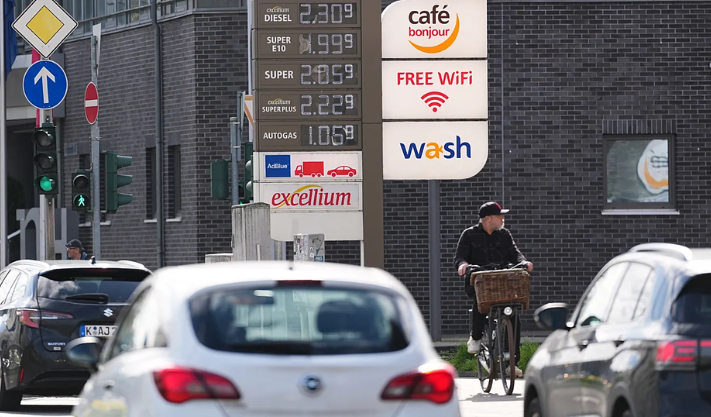
Why Is Petrol More Expensive in Germany Than Most Places in the EU?
In today’s interconnected global economy, fuel prices are influenced by a complex mix of policies, market forces, and national priorities. Among countries in the European Union, Germany consistently stands out for having higher petrol prices than many of its neighbors. While at first glance this may seem surprising—especially given Germany’s strong economy and efficient infrastructure—the reality is that these higher prices are the result of deliberate policy choices, environmental commitments, and structural economic factors. Petrol pricing in Germany is not just about the cost of crude oil; it reflects a broader national strategy focused on sustainability, fiscal stability, and long-term economic transformation.
Taxation as the Primary Driver of Fuel Prices
One of the most significant reasons petrol is more expensive in Germany is the high level of taxation applied to fuel. A large portion of the price paid at the pump consists of energy taxes and value-added tax (VAT). These taxes are intentionally structured to generate government revenue while also influencing consumer behavior. Compared to many other EU countries, Germany imposes relatively high fuel taxes, making petrol more expensive even when base oil prices are similar. This taxation policy reflects a broader approach to balancing economic needs with environmental responsibility.
Environmental Policies and Carbon Pricing
Germany has positioned itself as a global leader in environmental sustainability, and this commitment plays a major role in fuel pricing. The country has implemented carbon pricing mechanisms that add additional costs to fossil fuels like petrol. By making fuel more expensive, the government encourages individuals and businesses to reduce emissions and shift toward cleaner energy alternatives. These policies are aligned with Germany’s ambitious climate goals, which include reducing greenhouse gas emissions and transitioning to renewable energy sources.
The Energy Transition Strategy (Energiewende)
A defining feature of Germany’s economic and environmental policy is the energy transition known as Energiewende. This long-term strategy aims to move the country away from fossil fuels and nuclear energy toward renewable sources such as wind and solar power. Higher petrol prices are part of this transition, as they discourage reliance on traditional fuels and promote investment in sustainable alternatives. While this approach has clear environmental benefits, it also contributes to higher costs for consumers in the short term.
Dependence on Fuel Imports
Despite its strong industrial base, Germany relies heavily on imported crude oil to meet its energy needs. This dependence makes fuel prices sensitive to global market fluctuations, transportation costs, and geopolitical factors. When international oil prices rise, German consumers feel the impact more acutely due to the added layers of taxation and regulation. Additionally, logistical costs associated with refining and distributing fuel further contribute to the final price at the pump.
Strict Regulatory Standards
Germany maintains high standards for fuel quality, environmental protection, and safety. These regulations ensure that petrol sold in the country meets strict criteria, reducing emissions and improving efficiency. However, compliance with these standards often increases production and distribution costs, which are then passed on to consumers. While these measures support environmental and public health goals, they also play a role in keeping fuel prices elevated.
Infrastructure and Operational Costs
Operating fuel stations and maintaining distribution networks in Germany involves significant costs. High labor wages, advanced infrastructure, and stringent safety requirements all contribute to the overall expense of delivering petrol to consumers. Compared to some other EU countries with lower operating costs, Germany’s advanced economy naturally leads to higher prices across many sectors, including fuel.
Currency and Market Dynamics
Although EU countries share the euro, local market dynamics can still influence fuel pricing. Factors such as regional competition, demand patterns, and distribution efficiency vary from country to country. In Germany, strong demand for fuel—driven by a large population and a robust transportation network—can contribute to sustained higher prices, particularly during periods of increased consumption.
Encouraging Alternative Transportation
Another key reason for higher petrol prices in Germany is the government’s effort to promote alternative modes of transportation. By making fuel more expensive, policymakers encourage the use of public transport, cycling, and electric vehicles. Germany has invested heavily in efficient public transportation systems and infrastructure for electric mobility, providing viable alternatives to traditional car usage. Higher fuel prices act as an incentive for consumers to adopt these options, supporting broader sustainability goals.
Comparisons with Other EU Countries
While petrol prices vary across the EU, Germany often ranks among the higher end due to its combination of taxes, environmental policies, and economic structure. Some countries may have lower fuel taxes or different regulatory frameworks, resulting in cheaper petrol. However, these differences often reflect varying national priorities. Germany’s approach prioritizes sustainability and long-term environmental impact, even if it results in higher short-term costs for consumers.
Economic Stability and Fiscal Policy
Fuel taxes also play an important role in Germany’s fiscal policy, contributing to government revenues that fund public services and infrastructure. This revenue supports investments in transportation, renewable energy, and social programs. By maintaining higher fuel taxes, Germany ensures a stable source of income that can be used to support its broader economic and social objectives.
Balancing Cost and Sustainability
The higher cost of petrol in Germany highlights the challenge of balancing economic affordability with environmental responsibility. While consumers may face higher expenses at the pump, these costs are part of a larger strategy aimed at reducing emissions, promoting innovation, and ensuring long-term sustainability. This balance reflects a conscious decision to prioritize future benefits over immediate savings.
Impact on Consumers and Businesses
Higher fuel prices inevitably affect both individuals and businesses. For consumers, it increases the cost of transportation and daily commuting. For businesses, particularly those in logistics and transportation, it raises operational expenses. However, these challenges also drive efficiency improvements, encourage innovation, and accelerate the adoption of alternative energy solutions.
A Model for Sustainable Policy?
Germany’s approach to fuel pricing is often viewed as a model for integrating environmental considerations into economic policy. By aligning fuel costs with sustainability goals, the country demonstrates how pricing mechanisms can influence behavior and drive change. While not without its challenges, this model offers valuable insights for other nations seeking to address climate change and energy dependence.
Conclusion: More Than Just a Price Tag
The high cost of petrol in Germany is the result of a deliberate and multifaceted strategy that goes far beyond simple market dynamics. From taxation and environmental policies to infrastructure and energy transition goals, every element plays a role in shaping fuel prices. Within the context of the EU, Germany’s approach reflects a commitment to sustainability, innovation, and long-term resilience. While this results in higher prices for consumers, it also supports a broader vision of a cleaner, more sustainable future—one where economic growth and environmental responsibility go hand in hand.
Also Read:-
Why Your Business Feels Like It’s Fighting Itself (And How to Fix It)
Real GDP Growth in Europe: Which Countries Grew the Most in 2025?
Why Is Chocolate So Expensive — and Where Have Prices Risen the Most?