
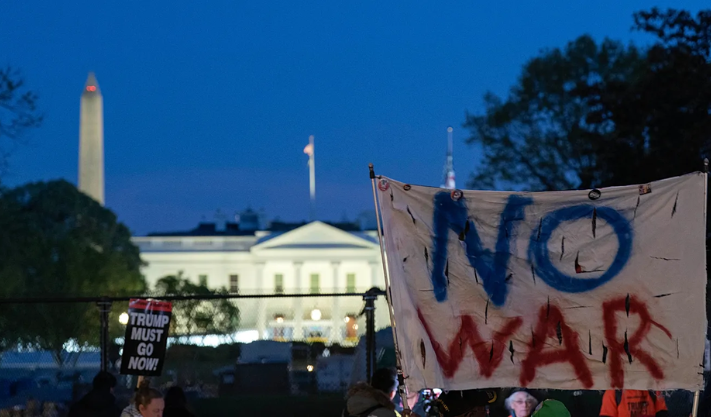
A Sudden Shift from Escalation to Diplomacy
In a dramatic turn of events, the United States and Iran have agreed to a temporary two-week truce, signaling a pause in what had rapidly escalated into a dangerous geopolitical confrontation. The agreement comes at a critical moment, just as tensions appeared to be reaching a breaking point. This shift from aggressive rhetoric to cautious diplomacy highlights the complexity of modern international relations, where military power and negotiation often operate side by side. While the truce is temporary, it represents a crucial opportunity to prevent further escalation and explore pathways toward stability.
The Build-Up to the Ceasefire
The lead-up to the truce was marked by heightened tensions, strategic warnings, and increasing global concern. The United States had taken a firm stance, signaling the possibility of expanded military action in response to perceived threats. Iran, in turn, responded with strong countermeasures, demonstrating both readiness and resilience. The situation evolved rapidly, with both sides engaging in a cycle of escalation that raised fears of a broader regional conflict.
As the situation intensified, international observers warned of the severe consequences that a full-scale confrontation could bring. The risk extended beyond the immediate region, threatening global economic stability and energy security. This growing pressure created the conditions for a diplomatic breakthrough, as both sides recognized the need to step back from the brink.
The Decision to De-escalate
The agreement to a two-week truce reflects a calculated decision by both nations to reduce immediate tensions. For the United States, easing threats provided an opportunity to reassess strategy while avoiding the risks associated with military escalation. For Iran, agreeing to the truce allowed for a temporary reprieve while maintaining its broader strategic position.
This mutual decision underscores the importance of timing in diplomacy. By choosing to pause at a critical moment, both sides have created space for dialogue without appearing to concede their core positions. The truce is therefore not a resolution, but a strategic pause that could shape future interactions.
Key Terms of the Truce
The ceasefire is built on a set of mutual understandings aimed at stabilizing the situation in the short term. The United States has agreed to suspend potential military actions, reducing the immediate threat of escalation. In return, Iran has indicated its willingness to maintain stability in key strategic areas, contributing to a more predictable environment.
These terms, while limited in scope, are significant in their impact. They provide a framework for reducing tensions while preserving the possibility of further negotiations. However, the effectiveness of the agreement depends heavily on adherence and coordination, making trust a critical factor.
Global Economic Implications
The announcement of the truce has had immediate effects on global markets, particularly in the energy sector. Oil prices, which had been rising due to fears of supply disruptions, showed signs of stabilization following the news. This reflects the close relationship between geopolitical developments and economic conditions.
The potential disruption of critical trade routes had been a major concern, as any instability in key regions can have far-reaching consequences. By easing tensions, the truce helps to restore a degree of confidence in global supply chains. However, the temporary nature of the agreement means that uncertainty remains, and markets are likely to remain sensitive to further developments.
Political Reactions and Debate
The decision to ease threats and pursue a truce has generated a range of reactions. Supporters argue that it represents a responsible and pragmatic approach, prioritizing stability over conflict. They view the agreement as a necessary step to prevent escalation and create opportunities for dialogue.
Critics, however, question the long-term implications of the decision. Some argue that a temporary truce may not address underlying issues and could lead to renewed tensions once the agreement expires. Others express concerns about consistency in policy, suggesting that abrupt shifts in strategy may create uncertainty.
This diversity of perspectives reflects the complexity of the situation, where decisions must balance immediate risks with long-term objectives.
Regional and Strategic Impact
The truce has implications that extend beyond the two nations directly involved. The broader region remains a focal point of geopolitical interest, with multiple actors closely monitoring developments. Any shift in the relationship between the United States and Iran can influence regional dynamics, affecting alliances, security strategies, and economic policies.
While the ceasefire reduces immediate tensions, it does not resolve underlying conflicts. Ongoing issues and competing interests continue to shape the regional landscape, highlighting the need for sustained diplomatic engagement. The truce, therefore, serves as a temporary measure within a much larger and more complex framework.
Opportunities for Dialogue
One of the most significant aspects of the truce is the opportunity it creates for meaningful dialogue. With immediate tensions reduced, both sides have the chance to engage in discussions that could address key concerns and explore potential solutions. This period of relative calm is essential for building trust and identifying common ground.
Diplomatic efforts during this time will be critical in determining whether the truce can lead to more lasting agreements. Success will depend on the willingness of both parties to engage constructively and make difficult compromises.
Risks and Uncertainty
Despite its potential benefits, the truce is inherently fragile. Temporary agreements are susceptible to disruption, particularly in situations where tensions remain high. Any misstep, misunderstanding, or violation of the agreement could quickly lead to a breakdown, reversing the progress made.
The limited duration of the truce also adds to the uncertainty. With only two weeks in place, there is a narrow window for achieving meaningful outcomes. If negotiations do not progress, the risk of renewed escalation remains significant.
Conclusion: A Critical Pause with Global Significance
The two-week truce between the United States and Iran represents a critical pause in a highly volatile situation. It reflects a moment where diplomacy has taken precedence over confrontation, offering a chance to stabilize relations and prevent further escalation. However, the temporary nature of the agreement underscores the challenges ahead.
As the world watches closely, the success of this truce will depend on what follows. Whether it leads to sustained dialogue or simply delays further conflict remains uncertain. What is clear, however, is that this moment carries significant implications for global stability, economic security, and the future of international relations.
Also Read:-
Egg Prices Surge Across Europe Before Easter
Portugal nears 50-hour workweeks among EU nations
Amateur Dig at German Castle Sparks Debate