
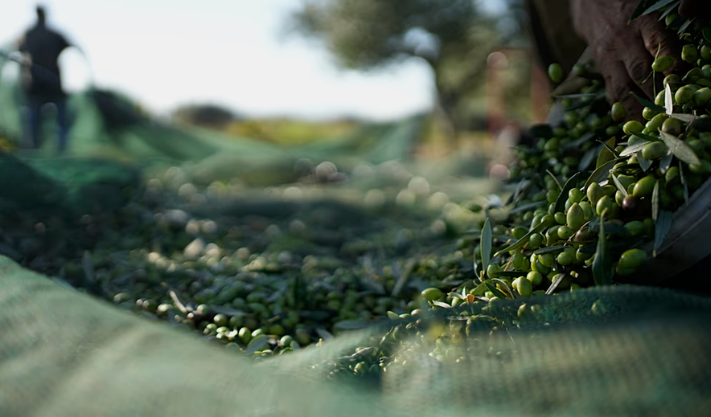
Producers Raise Concerns: Why Are Olive Oil Prices Falling in the EU?
Olive oil prices in the European Union are falling in 2025 after several years of sharp increases. According to Eurostat, olive oil consumer prices dropped by 23% across the EU in 2025. This is the first time prices have gone down after four straight years of increases.
Between 2022 and 2024, olive oil prices increased by 78%. The sharp rise made olive oil much more expensive for consumers. However, 2025 has brought relief, especially in countries that produce the most olive oil.
So, why are prices now falling? And which countries have seen the biggest drops?
Years of Strong Price Increases
Olive oil prices had been rising steadily for years. In 2021, prices increased by 4.1%. In 2022, they went up by 14.5%. In 2023, the increase was even higher at 34.4%. Then in 2024, prices rose again by 32.2%.
Looking at monthly data, olive oil inflation was extremely high. From early 2021 onward, prices were often more than 50% higher compared to the previous year. In March 2024, inflation reached 52.4%. Prices were also above 50% in several months during late 2023.
Experts say the main reason for these price increases was a major drop in production. Severe drought and extreme heat hit the Mediterranean region, especially Spain, between 2022 and 2024. These weather conditions badly affected olive harvests.
Mariana Matos, general secretary of Casa do Azeite, the Portuguese Olive Oil Association, explained that production was very low for two seasons. At the same time, olive oil stocks were limited. Because supply was so tight, prices were the only way to balance the market. In simple terms, when there was not enough olive oil, prices had to rise.
Large Fall in Production
Data from the International Olive Council (IOC) shows how serious the production drop was. In the 2021/22 season, the EU produced 2.27 million tonnes of olive oil. But in the 2022/23 season, production fell by 39% to just 1.39 million tonnes.
Production improved slightly in 2023/24, rising to 1.55 million tonnes. However, this was still much lower than normal levels.
The IOC now expects production to recover strongly in the 2024/25 season, possibly reaching around 2.11 million tonnes. Production may stay close to this level in 2025/26.
The IOC said that the heatwave in the summer of 2022 had a major impact on olive-producing countries in the Mediterranean. When supply falls sharply, prices usually rise. When supply increases again, prices tend to fall. This basic rule of supply and demand explains what is happening in the olive oil market.
Spain Leads Price Decline
Spain is the largest olive oil producer in the EU. It produces more than 65% of the EU’s total olive oil. Because of its large role in the market, changes in Spanish production strongly affect prices across Europe.
In 2025, Spain saw the biggest drop in olive oil prices among 35 European countries. Prices fell by 38.9%. Greece followed with a 29.2% decline. Portugal recorded a 24% drop. These three countries were the only ones where prices fell more than the EU average of 23%.
Among the EU’s largest economies, France had the smallest price decline. Italy and Germany experienced larger drops than France but smaller than the main producing countries.
Outside the EU, Albania recorded the biggest price increase. Romania also saw rising prices.
Turkey is not included in Eurostat data. However, Turkish statistics show that prices for edible oils, including olive oil and sunflower oil, rose by 31% between December 2024 and December 2025.
Better Harvests and Lower Pressure
Rafael Pico Acevedo, director of the Spanish Olive Oil Exporters Association (ASOLIVA), said that poor harvests, supply shortages, and high energy costs pushed prices to record levels over the past two years.
Now, the situation is changing. The strong recovery in production during the 2024/25 season, especially in southern Europe, has improved supply. With more olive oil available in the market, prices are falling.
Acevedo also explained that price changes depend on a country’s role in the olive oil industry. In producing countries like Spain, Greece, and Portugal, the effects of a good harvest are seen more quickly. When production increases, prices at the source fall first, and then consumer prices follow. That is why these countries are seeing the sharpest declines.
In countries that mainly import olive oil, price changes may take longer to appear.
Lower Demand Also Plays a Role
Higher supply is not the only reason for falling prices. Mariana Matos also pointed out that demand has decreased. The sharp price increases in recent years caused many consumers to buy less olive oil. Some people switched to cheaper oils or reduced their overall consumption.
Now that demand is lower and supply is improving, prices are naturally falling.
A Return to Normal?
Experts believe the olive oil market is slowly returning to normal after two very difficult years. Production levels are recovering, supply is improving, and prices are stabilising.
However, the market still depends heavily on weather conditions. If new droughts or heatwaves affect Mediterranean countries again, production could fall and prices could rise once more.
For now, consumers across much of Europe are seeing some relief in olive oil prices after years of record highs.
Also Read:
Spain Fashion Retailers Innovate with Sustainable Collections
Russia’s Oil Income Falls as Sanctions Hurt the Economy
Italy Commercial Real Estate Sees Record Demand