
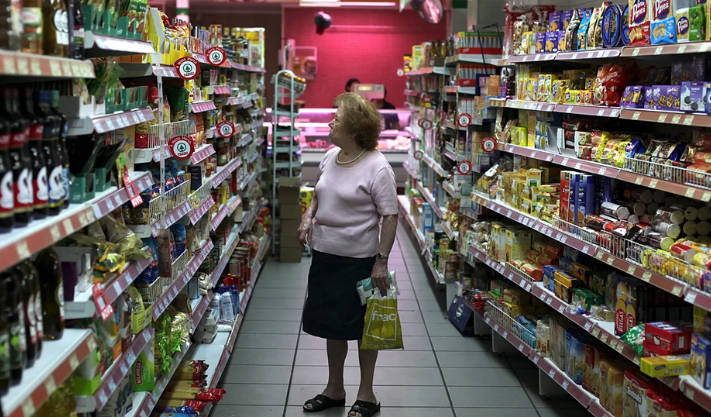
Portugal’s Food Basket Cost at All-Time High — But Not Due to the Iran War
Portugal is facing a record increase in grocery costs, with the country’s basic food basket reaching its highest price ever. However, experts say the surge cannot yet be blamed on the ongoing Middle East conflict involving Iran. Instead, domestic and structural factors appear to be driving the rise in prices across Portuguese supermarkets.
Record Price for Basic Food Basket
The basket of essential food items monitored by the Portuguese consumer protection group DECO PROteste recently climbed to about €254.12, marking the highest level since the organization began tracking these products in 2022.
Compared with earlier periods, the increase has been significant. The price is more than €12 higher than at the start of 2026 and over 35% higher than in early 2022, highlighting how sharply grocery costs have risen in recent years.
The food basket includes commonly purchased items such as fish, vegetables, pasta, canned products, meat, and dairy—essential products that represent everyday spending for Portuguese households.
Iran War Not Yet the Main Cause
Although global markets are currently reacting to geopolitical tensions and the war involving Iran, analysts say the recent rise in Portugal’s food basket occurred before the conflict had a direct impact on supply chains or supermarket prices.
Energy markets and transportation costs could eventually be affected by the conflict, but so far there is little evidence that it has driven the immediate jump in Portuguese grocery prices.
Instead, economists suggest that speculation in commodity markets and existing inflationary pressures may have played a larger role in the current price spike.
Domestic Factors Driving Price Increases
Several local factors are believed to be contributing to the rising cost of food in Portugal:
Supply disruptions and weather conditions
Storms and extreme weather have affected agricultural production in Portugal and other Mediterranean regions, reducing crop yields and pushing up prices for certain products.
Higher production costs
Farmers and food producers have been dealing with rising costs for fertilizers, energy, and transportation, which eventually translate into higher prices for consumers.
Strong demand for food products
Demand for many staple products remains stable or increasing, while production capacity is sometimes limited. This imbalance between supply and demand puts additional pressure on prices.
Which Products Became More Expensive?
Some individual items in Portugal’s food basket have seen particularly large increases. In recent weeks:
Canned tuna rose by around 33% in price.
Frankfurt sausages increased by about 20%.
- Spiral pasta rose by roughly 12%Looking at a longer time frame since the beginning of the year, vegetables and fish have also recorded sharp increases. For example
Zucchini prices rose by around 38%.
- Sea bream increased by about 28%.
- Cabbage prices climbed around 27%
The Wider European Food Inflation Trend
Portugal’s situation is not unique. Across Europe, many countries have experienced rising food prices due to shortages of livestock, supply chain disruptions, and increasing production costs.
For example, in several European countries, meat prices alone have increased significantly, with beef, lamb, and poultry among the fastest-rising food categories.
These broader trends mean that even if the Iran war does not directly influence Portuguese grocery prices right now, global economic pressures are still affecting the overall cost of food.
Possible Future Impact of the Middle East Conflict
While the Iran war has not yet been the primary driver of Portugal’s rising grocery costs, economists warn that it could still influence prices in the future.
If the conflict continues, it could lead to:
- Higher oil and fuel prices
- Increased transportation costs
- Disruptions in fertilizer supply
- More expensive agricultural production
These factors could eventually push supermarket prices even higher across Europe, including in Portugal.
Pressure on Household Budgets
For many Portuguese households, the rising cost of food is becoming a serious concern. Even though the country’s overall inflation rate has remained relatively moderate, food prices tend to affect consumers more directly because groceries are purchased regularly.
As a result, many families are adjusting their spending habits—buying fewer products, choosing cheaper alternatives, or looking for discounts and promotions.
Also Read:-
Top 15 Successful Businessmen in Germany You Should Know
BTS to Stream Comeback Concert and Documentary on Netflix
Oil Prices Fall as Trump Suggests Possible Sanctions Relief