
Only 13 Countries Breathe Safe Air Today, and Three Are in Europe
In an era defined by technological progress, urban expansion, and industrial growth, the quality of the air we breathe has become one of the most pressing global concerns. Despite advances in environmental awareness and policy, only 13 countries in the world currently meet safe air quality standards, a stark reminder of how widespread air pollution has become. Among these, just three are located in Europe, highlighting both regional progress and the uneven global distribution of clean air. This reality underscores a deeper issue: clean air, once considered a basic human right, is increasingly becoming a rare privilege.
Air pollution is not a distant or abstract problem—it is a daily reality for billions of people. From densely populated megacities to rapidly industrializing regions, harmful pollutants such as fine particulate matter (PM2.5), nitrogen dioxide, and ozone infiltrate the air, posing severe risks to human health. According to global health experts, prolonged exposure to polluted air is linked to respiratory diseases, cardiovascular conditions, and even premature death. The fact that only a handful of countries have managed to maintain safe air levels reflects the scale of the challenge and the urgency required to address it.
The presence of three European countries on the list of those with safe air quality offers a glimpse into what effective environmental governance can achieve. These nations have implemented stringent regulations on emissions, invested heavily in renewable energy, and prioritized sustainable urban planning. Their success is not accidental; it is the result of long-term policy commitments, public awareness, and collaboration between governments, industries, and citizens. Clean air in these regions is a testament to the idea that with the right strategies, environmental degradation can be reversed or at least controlled.
However, the broader European context presents a more complex picture. While a few countries have achieved safe air standards, many others across the continent continue to struggle with pollution, particularly in urban and industrial areas. Traffic congestion, reliance on fossil fuels, and cross-border pollution all contribute to fluctuating air quality levels. This contrast within Europe highlights that progress is possible, but it requires consistent effort, innovation, and political will.
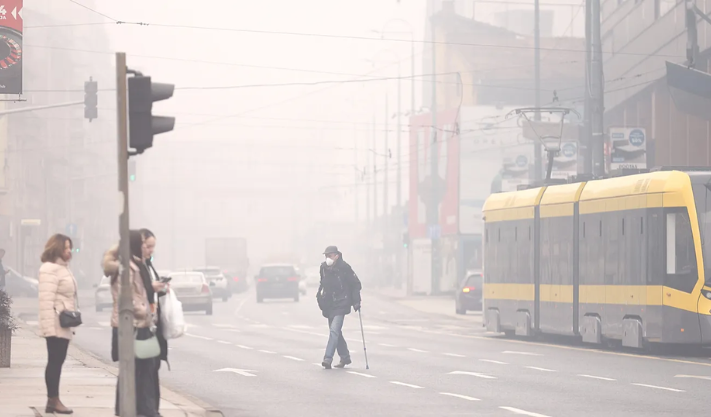
Beyond Europe, the situation becomes even more concerning. In many parts of Asia, Africa, and Latin America, air pollution levels far exceed recommended limits. Rapid urbanization and industrialization, often accompanied by limited regulatory enforcement, have led to deteriorating air quality. In some cities, smog has become so dense that it disrupts daily life, reduces visibility, and forces residents to take protective measures such as wearing masks or limiting outdoor activities. These conditions are not just environmental issues—they are economic and social challenges that affect productivity, healthcare systems, and overall quality of life.
One of the key drivers of air pollution is the continued reliance on fossil fuels. Coal-fired power plants, diesel vehicles, and industrial emissions release large quantities of pollutants into the atmosphere. While many countries have pledged to transition toward cleaner energy sources, the pace of change varies significantly. Developing economies often face a difficult balancing act between economic growth and environmental protection, making it harder to implement strict regulations without impacting livelihoods.
Another critical factor is urban design. Cities that prioritize public transportation, green spaces, and energy-efficient infrastructure tend to have better air quality. In contrast, poorly planned urban areas with heavy traffic and limited environmental controls are more prone to pollution. The three European countries that have achieved safe air standards have largely embraced sustainable urban development, demonstrating how thoughtful planning can make a significant difference.
Technology also plays a crucial role in addressing air pollution. Advances in clean energy, electric vehicles, and air monitoring systems are helping countries track and reduce emissions more effectively. Real-time data allows policymakers to identify pollution hotspots and implement targeted interventions. However, access to such technologies is not uniform, and many regions lack the resources needed to deploy them at scale.
Public awareness and behavioral change are equally important. Individuals can contribute to cleaner air by reducing energy consumption, using public transportation, and supporting environmentally friendly policies. In countries with safe air quality, there is often a strong culture of environmental responsibility, where citizens actively participate in sustainability efforts. This collective mindset reinforces government initiatives and creates a more holistic approach to environmental protection.
The fact that only 13 countries currently enjoy safe air should serve as a wake-up call for the global community. It highlights the need for stronger international cooperation, as air pollution does not respect national borders. Pollutants can travel across regions, affecting countries that may have otherwise maintained stricter controls. This interconnected nature of the problem requires coordinated action, shared knowledge, and mutual accountability.
Global organizations and agreements play a vital role in this effort. Initiatives aimed at reducing emissions, promoting renewable energy, and improving air quality standards provide a framework for collective action. However, the effectiveness of these initiatives depends on the commitment of individual nations to implement and enforce policies. Without sustained effort, progress will remain uneven and insufficient.
Looking ahead, the path to cleaner air will require a combination of innovation, policy reform, and societal change. Governments must prioritize environmental sustainability alongside economic development, ensuring that growth does not come at the expense of public health. Investments in clean energy, stricter emission standards, and sustainable infrastructure will be essential in reducing pollution levels.
At the same time, there is a need to address inequality in environmental protection. The fact that safe air is concentrated in a small number of countries raises questions about global equity and access to basic resources. Efforts to improve air quality must be inclusive, ensuring that all regions, regardless of economic status, have the opportunity to achieve cleaner environments.
In conclusion, the reality that only 13 countries breathe safe air today, with just three in Europe, is both alarming and instructive. It reveals the scale of the air pollution crisis while also demonstrating that progress is possible. The experiences of these countries offer valuable lessons for the rest of the world, showing that with the right combination of policy, technology, and public engagement, cleaner air can be achieved. However, time is of the essence. As populations grow and urbanization accelerates, the need for decisive action becomes more urgent than ever. Clean air should not be a privilege enjoyed by a few—it must become a universal standard for all.
Also Read:-
Is Europe being pushed to return to nuclear energy?
Breakthrough in Brain Research: German Researcher Discovers Brain Navigational System
Top 10 Successful CEOs in France You Should Know