
Oil Prices Rise as Donald Trump Presses Allies to Secure the Strait of Hormuz
Global oil markets reacted sharply after renewed geopolitical tensions in the Middle East, particularly following statements from Donald Trump urging international allies to strengthen security around the strategically critical Strait of Hormuz. The narrow waterway, located between Iran and Oman, serves as one of the world’s most vital energy corridors. Any threat to its stability can quickly influence global oil supply and pricing. As concerns about regional security intensified, oil markets responded with rising prices and increased volatility. The situation highlights how geopolitical developments, energy supply routes, and international diplomacy remain closely connected in shaping the global energy economy.
The Strategic Importance of the Strait of Hormuz
The Strait of Hormuz is widely regarded as one of the most critical chokepoints in global energy transportation. Approximately one-fifth of the world’s oil supply passes through this narrow passage each day, linking major oil-producing nations in the Persian Gulf to global markets. Countries such as Saudi Arabia, United Arab Emirates, Kuwait, and Iraq rely heavily on this route to export oil. Because of its strategic location, even minor disruptions can cause significant uncertainty in global energy markets.
Trump’s Call for Allied Security Measures
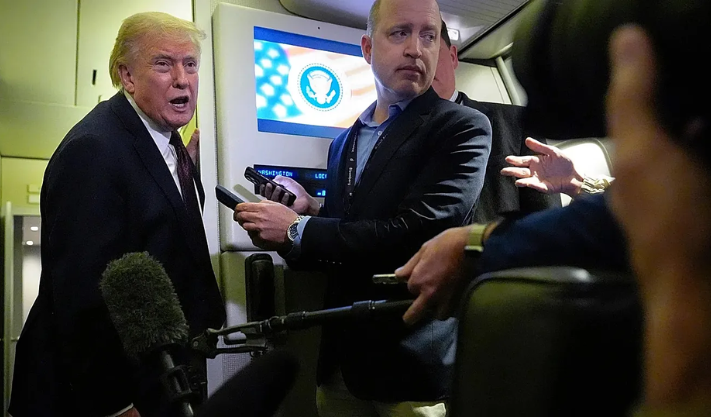
Former U.S. President Donald Trump has urged Western allies and regional partners to take stronger steps to ensure the safety of shipping routes through the Strait of Hormuz. His remarks emphasized the importance of protecting commercial vessels from potential threats, including military tensions, piracy, or regional conflicts. Trump argued that international cooperation is necessary to maintain free navigation in the region and prevent disruptions to global energy supplies.
Immediate Reaction in Global Oil Markets
Following the statements about increased security efforts, global oil prices experienced an immediate rise. Traders in major financial hubs responded to the possibility of supply disruptions by increasing demand for crude oil futures. Benchmarks such as Brent Crude Oil and West Texas Intermediate saw upward price movement as investors anticipated potential instability in the region. The reaction reflects how sensitive oil markets are to geopolitical developments.
Geopolitical Tensions in the Persian Gulf
The Persian Gulf region has long been a center of geopolitical tensions involving several countries. Disputes between Iran and Western nations have frequently raised concerns about the security of maritime routes. Past incidents involving tanker seizures, drone attacks, and naval confrontations have demonstrated how quickly tensions can escalate. These historical events contribute to market fears whenever political leaders raise concerns about regional stability.
The Role of Naval Security Alliances
To protect commercial shipping, several countries have participated in international naval coalitions designed to monitor and secure the Strait of Hormuz. Naval patrols, surveillance operations, and intelligence sharing help ensure safe passage for oil tankers and cargo ships. Calls from leaders such as Donald Trump highlight the importance of collective defense measures among allies in maintaining stability along critical maritime routes.
Economic Impact of Rising Oil Prices
An increase in oil prices has widespread economic consequences across the world. Higher energy costs can lead to increased transportation expenses, higher production costs for industries, and rising consumer prices. Countries that rely heavily on imported oil may experience economic pressure when global prices surge. Conversely, major oil-producing nations may benefit from higher export revenues during periods of rising prices.
Energy Security Concerns for Importing Nations
Many nations depend on steady oil imports from the Middle East to fuel their economies. Countries in Europe, Asia, and North America closely monitor developments in the Strait of Hormuz because disruptions could threaten energy supplies. Governments often respond to rising geopolitical risks by increasing strategic reserves, diversifying energy sources, or strengthening diplomatic efforts to maintain stability in key regions.
The Role of Energy Markets and Investor Sentiment
Financial markets play a major role in determining oil prices during geopolitical events. Investors often react quickly to political statements, military developments, or diplomatic disputes. Even if physical supply remains stable, fears of potential disruptions can cause price fluctuations. In this case, the comments from Donald Trump contributed to a sense of uncertainty that influenced trading behavior in global energy markets.
Alternative Routes and Energy Infrastructure
Some Gulf nations have developed pipelines and alternative shipping routes to reduce dependence on the Strait of Hormuz. For example, pipelines that transport oil directly to ports outside the Persian Gulf provide additional export options. However, these alternatives cannot fully replace the massive volume of oil transported through the strait each day, making it difficult to eliminate reliance on this strategic passage.
Global Energy Transition and Long-Term Implications
While oil remains a central component of the global economy, many countries are gradually investing in renewable energy sources such as solar, wind, and hydrogen. Rising oil prices and geopolitical tensions often accelerate these efforts by highlighting the vulnerabilities of fossil fuel supply chains. Nevertheless, the world still depends heavily on oil, ensuring that events affecting the Strait of Hormuz will continue to influence markets for years to come.
Diplomatic Efforts to Reduce Tensions
International diplomacy plays a critical role in preventing conflicts that could disrupt energy supplies. Negotiations between regional governments, global powers, and international organizations aim to maintain peace and protect commercial shipping lanes. Diplomatic dialogue can help reduce misunderstandings, manage disputes, and ensure that vital trade routes remain open.
The Broader Impact on Global Trade
The implications of rising oil prices extend beyond the energy sector. Higher fuel costs affect shipping, aviation, manufacturing, and agriculture. As a result, global trade patterns can shift when energy prices fluctuate significantly. Businesses often adjust supply chains, transportation strategies, and production plans in response to rising costs.
Conclusion
The recent rise in oil prices following remarks from Donald Trump underscores the powerful connection between geopolitics and global energy markets. The strategic importance of the Strait of Hormuz means that any concern about its security can quickly influence oil prices, investor sentiment, and international economic stability. As countries work to protect shipping routes and maintain diplomatic relationships, the world continues to watch developments in the Persian Gulf closely. Ensuring the safety of this critical waterway remains essential not only for energy producers but also for the global economy as a whole.
Also Read:-
Portugal’s Food Basket Cost at All-Time High — But Not Due to the Iran War
Top 15 Successful Businessmen in Germany You Should Know
BTS to Stream Comeback Concert and Documentary on Netflix