
Most Europeans Expect Grocery Prices to Rise Faster in 2026
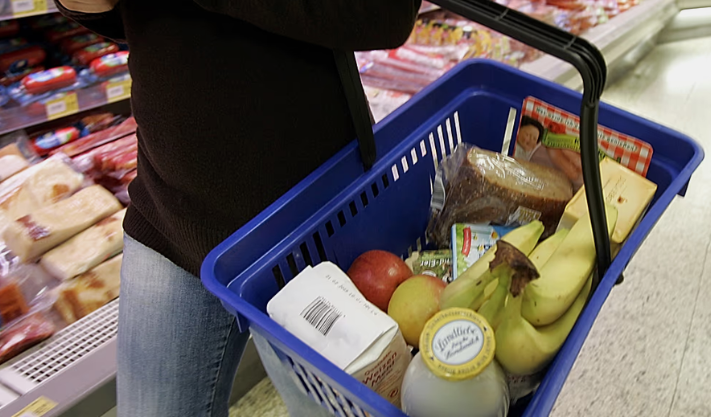
Most Europeans believe that grocery prices will continue to rise quickly in 2026, even though the European Central Bank (ECB) expects food price inflation to slow down. Several surveys show that people across Europe still feel strong pressure from high food costs and are worried about future increases.
According to Eurostat, food inflation in the European Union is expected to stay higher than overall inflation. In 2025, prices for food and non-alcoholic drinks rose by 3.3%, while overall inflation stood at 2.5%. This means food prices are rising faster than most other goods and services.
The ECB believes that food inflation in the eurozone will slow as the effects of earlier global food price increases and bad summer weather begin to fade. The central bank expects food inflation to settle slightly above 2% by the end of 2026. However, many consumers do not yet feel confident that prices will stabilise.
Consumers Still Feel Strong Price Pressure
Despite forecasts showing easing inflation, many Europeans say high food prices are still a major concern. Research from ING Consumer Research shows that rising grocery costs remain one of the biggest worries for households in 2026.
Many consumers expect prices to continue rising quickly, especially in countries where food takes up a large part of household spending. This situation makes daily life more expensive, particularly for low- and middle-income families.
When asked about future purchasing power, many people feel pessimistic. More respondents believe their buying power will worsen rather than improve in 2026.
Over Half Expect Faster Price Increases
Across six European countries surveyed, 58% of respondents said they agree or strongly agree with the statement:
“I expect grocery prices in my country to increase more rapidly over the next 12 months.”
Only 14% said they disagreed with this statement. According to ING economist Thijs Geijer, this may be a sign that inflation is slowing, but consumers are still affected by the impact of high food prices in recent years.
Geijer explained that many households are mentally prepared for further price increases. He said consumers may need to see lower inflation for a longer time before they change their expectations.
The survey included around 1,000 people in each of six countries: Germany, Spain, the Netherlands, Belgium, Poland, and Romania.
Romania, Belgium, and the Netherlands Most Worried
With the exception of Spain, concern about rising grocery prices was high across all countries surveyed. In some countries, more than two-thirds of respondents expect prices to rise faster.
Romania recorded the highest level of concern. Around 73% of respondents there believe grocery prices will increase more rapidly in the next year. Belgium followed with 66%, while 64% of people in the Netherlands shared the same view.
In Germany, 57% of respondents expect faster grocery price rises. In Poland, the figure is slightly lower at 49%, close to half of those surveyed.
Why Is Spain More Confident?
Spain stands out from other countries in the survey. Only 39% of Spanish respondents expect grocery prices to rise more quickly, the lowest share among the six countries.
One reason is Spain’s strong economic performance. In 2025, Spain’s economy grew by 2.8%, much higher than the eurozone average of 1.5%. Lower energy prices and easing inflation have helped support consumer confidence and spending.
Job market data also shows strength. According to Indeed, Spain ranks second among Europe’s five largest economies for job postings. By late 2025, job listings were 54% higher than before the pandemic.
The Organisation for Economic Co-operation and Development (OECD) also expects Spain to lead Europe’s largest economies in growth. Real GDP in Spain is forecast to grow by 2.2%, compared with 1.2% in both the eurozone and the UK.
The OECD believes strong job growth and rising real wages will continue to support consumer spending in Spain, helping people feel more positive about their finances.
Consumers Doubt Their Purchasing Power
Despite some positive signals, most Europeans remain sceptical about improvements in their purchasing power.
Across the six countries surveyed, 39% of respondents disagreed with the statement:
“I expect my purchasing power in 2026 to increase compared with this year.”
This is higher than the 29% who agreed. According to Thijs Geijer, even though real wages have mostly recovered, consumers still feel cautious about the future.
Germany shows the highest level of pessimism. More than half of German respondents, or 53%, do not expect their purchasing power to improve in 2026. Belgium follows closely at 50%.
Pessimism is lower in other countries. In the Netherlands, 40% feel negative. In Poland, the figure is 36%, while in Romania it is 34%.
Once again, Spain stands out. Only 18% of Spanish respondents expect no improvement in purchasing power, while 52% believe their financial situation will get better. This optimism is likely linked to strong wage growth in recent years.
Food Inflation and Household Budgets
There is a clear link between food inflation and the share of income households spend on food and drinks. Countries with higher food inflation often have households that spend a larger share of their budgets on groceries.
This means the impact of rising food prices is uneven across Europe. Some countries are hit harder because food prices rise faster and households already spend more on basic food items.
Romania is a clear example. In 2025, food inflation there reached 6.8%. At the same time, households spent around 23.1% of their total budget on food and beverages. This creates strong pressure on family finances.
Similar patterns are seen in several Eastern European and Balkan countries, where food costs take up a large share of household spending. In these regions, rising grocery prices have a much stronger effect on daily living standards.
Outlook for 2026
While official forecasts suggest food inflation will slow, most European consumers remain cautious. Many expect grocery prices to continue rising and do not yet feel confident about their purchasing power.
Economic growth, job creation, and wage increases will be key factors shaping consumer confidence in 2026. Countries like Spain may continue to see more positive sentiment, while others remain under pressure.
For now, high food prices remain a major concern across Europe, especially in countries where households already spend a large part of their income on groceries.
Also Read:
Europe 2026 energy prices: costly and affordable cities
Italy Investment Opportunities in Luxury and Fashion Industries
Germany launches first AI factory boosting Europe’s autonomy