
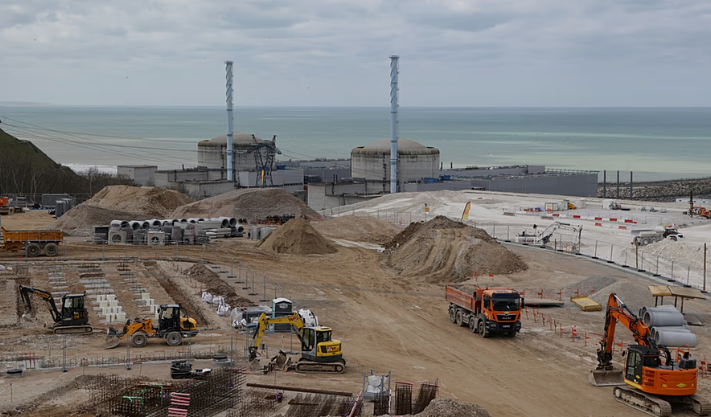
Is Europe being pushed to return to nuclear energy?
Europe is once again talking seriously about nuclear energy. The reason is simple: energy is becoming expensive and uncertain. The European Union (EU) still imports more than half of the energy it uses, and electricity prices remain very high. Because of this, leaders are now asking if nuclear power could help make energy cheaper and more secure.
Recent global events have made the situation worse. The conflict involving Iran and the closure of the Strait of Hormuz have caused energy prices to rise quickly. This has shown how dependent Europe still is on energy from outside the region. When something goes wrong in other parts of the world, Europe feels the impact immediately.
Because of this, energy independence—also called energy sovereignty—has become a top priority again. In Brussels, the European Commission has started working on new plans that include nuclear energy as part of a larger strategy. The goal is to reduce reliance on imports and make energy more stable.
At the moment, Europe still depends heavily on fossil fuels. Oil and similar sources make up a large part of its energy production. Renewable energy, such as wind and solar, has grown fast and now provides more than 45% of energy production. However, Europe still imports about 38% of its oil and 21% of its natural gas. This means the region is still very vulnerable to global price changes.
The latest crisis in the Middle East has added billions of euros to Europe’s energy costs. This situation is similar to what happened in 2022, when Russia invaded Ukraine and energy prices jumped sharply. Even in normal times, people and businesses in Europe pay some of the highest electricity prices in the world. Countries like Germany, Belgium, and Denmark are often at the top of the list.
Nuclear energy is not a quick solution. Building nuclear plants takes many years. However, recent events have forced leaders to think more seriously about the future. At a nuclear energy summit in Paris in March, European leaders made it clear that nuclear power may be necessary if Europe wants reliable and affordable energy.
European Commission President Ursula von der Leyen said that reducing nuclear energy in the past may have been a mistake. She described nuclear power as a reliable and low-emission source of energy that Europe should not have ignored. Her statement shows a clear change in thinking compared to earlier years.
Germany is one example of this shift. The country shut down its last nuclear plants in 2023. Now, many leaders in Germany believe this decision was wrong. However, restarting those old plants is not possible, so attention has moved to building new ones and developing smaller reactors.
France, on the other hand, has continued to invest in nuclear energy. About 65% of its electricity comes from nuclear power, and it even exports extra energy to other countries. This gives France more control over its energy supply and helps keep prices stable.
Nuclear energy can improve energy security because it provides steady electricity. Unlike wind or solar power, it does not depend on weather conditions. This makes it a good partner for renewable energy. Together, they can reduce the need for fossil fuel imports, which still make up more than 60% of the EU’s total energy use.
French President Emmanuel Macron has strongly supported nuclear power. He says it is important for both energy independence and reducing carbon emissions. He also pointed out that nuclear energy can support new technologies like artificial intelligence (AI), which require large amounts of electricity. France’s strong nuclear system has helped it build data centres and increase computing power.
One of the most important new ideas in nuclear energy is small modular reactors, or SMRs. These are smaller and more flexible than traditional nuclear plants. They can be built faster and at a lower cost. The European Commission believes that the first SMRs could start operating in the early 2030s.
By 2050, SMRs could provide a significant amount of electricity in Europe. These reactors could be used for many purposes, including powering data centres, supporting industry, producing hydrogen, and heating cities.
The EU is trying to make it easier to build these reactors by reducing rules and offering financial support. Several countries have already agreed to work together on this technology. Around the world, interest in SMRs is also growing. For example, the United States and Japan recently announced a large project to develop SMRs.
Supporters believe SMRs could play an important role in the transition to clean energy. They can provide stable power while renewable energy continues to expand. This could help Europe reduce its dependence on imported fossil fuels.
Different European countries are taking different approaches to nuclear energy. France is planning to build several new large reactors, while also expanding renewable energy. Belgium is trying to extend the life of its existing nuclear plants. Italy is considering changing its laws to allow nuclear energy again. Even Greece has started discussing new nuclear technologies.
Some countries, like Sweden and Finland, never stopped using nuclear power. These countries have some of the highest levels of renewable energy use, showing that nuclear and renewables can work well together.
Currently, nuclear energy provides about 23% of the EU’s electricity and around half of its low-carbon energy. Studies show that countries with nuclear power can have more stable and competitive electricity prices compared to those that have stopped using it.
The European Commission expects nuclear capacity in the EU to grow in the coming years, with large investments planned. This shows that many leaders now see nuclear energy as an important part of the future energy system.
However, there are still serious challenges. One major issue is nuclear waste, which must be managed safely for many years. Public opinion is another challenge, as many people remain concerned about nuclear safety. There is also a need for clear and consistent rules across the EU.
Environmental groups warn that too much focus on nuclear energy could slow down the growth of renewable energy. They argue that wind and solar power can be deployed faster and at a lower cost.
Another concern is the high cost and long construction time of nuclear plants. Investors are often hesitant because projects can take many years and require large amounts of money. In some countries, like Germany and Austria, opposition to nuclear energy remains strong.
There are also strategic risks. Europe still depends on some foreign sources for nuclear technology and fuel, including uranium. This creates another type of dependency that must be managed carefully.
Small modular reactors, although promising, are still not fully proven on a large commercial scale. As of early 2026, no SMRs have been approved for construction in the EU. This means it will take time before they can play a major role.
Despite these challenges, the EU is continuing to invest in nuclear research and development. This includes funding for advanced technologies like nuclear fusion, which could become an important energy source in the future.
In conclusion, nuclear energy is not a perfect solution, and it will not solve Europe’s energy problems overnight. However, rising energy costs, global conflicts, and increasing demand for electricity are forcing leaders to reconsider its role.
Europe is now at a turning point. While renewable energy remains essential, nuclear power may become an important part of the mix again. The coming years will show whether Europe can balance cost, safety, and sustainability to build a more secure energy future.
Also Read:-
Brain Navigation Breakthrough in Neuroscience
Top 10 Successful CEOs in France You Should Know
EU Urges Halt on Middle East Energy Strikes