
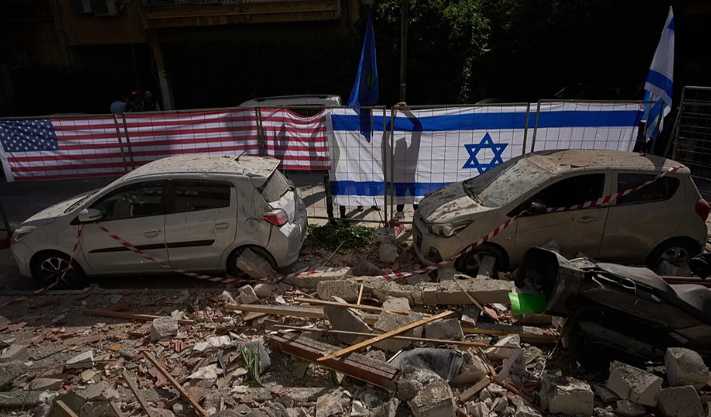
Iran Vows to Retaliate as Israel Targets Leadership and Energy Facilities
The escalating tensions between Iran and Israel have entered a dangerous new phase as targeted strikes on leadership figures and critical energy infrastructure intensify. What was once a shadow conflict marked by covert operations and proxy engagements has now evolved into a more direct and high-stakes confrontation. These developments signal a shift that could have far-reaching consequences not only for the Middle East but also for global energy markets and geopolitical stability.
Escalation of Direct Conflict
The long-standing tensions between Iran and Israel have moved beyond indirect confrontations. Recent strikes indicate a shift toward direct military engagement, increasing the risk of a broader war. This escalation reflects growing hostility and reduced reliance on proxy forces, making the conflict more visible and dangerous.
Targeting of Leadership Figures
Reports of attacks on senior Iranian officials have intensified the crisis. Targeting leadership is a high-risk strategy that often provokes strong retaliation. For Iran, such actions are seen as attacks on national sovereignty, leading to heightened tensions and a stronger commitment to respond decisively.
Attacks on Energy Infrastructure
One of the most critical developments is the targeting of major energy facilities, including the South Pars gas field. This marks a shift toward economic warfare, where damaging infrastructure becomes a strategic objective. Such attacks threaten not only Iran’s economy but also the stability of global energy supplies.
Iran’s Retaliation Strategy
Iran has vowed to retaliate strongly, signaling that its response may go beyond direct strikes on Israel. The country has indicated it could target energy infrastructure across the Gulf region, expanding the conflict’s scope and increasing the likelihood of regional involvement.
Risk of Regional Expansion
The conflict is no longer limited to two countries. If Iran targets energy facilities in neighboring nations, it could draw in countries like Saudi Arabia, the UAE, and Qatar. This would transform the situation into a wider Middle East conflict, significantly raising global security concerns.
Impact on Global Energy Markets
The Middle East plays a crucial role in global oil and gas production. Attacks on key facilities can lead to:
- Disruptions in supply
- Sudden increases in oil prices
- Economic instability worldwide
This makes the conflict not just a regional issue, but a global economic concern.
Shift Toward Economic Warfare
By targeting energy infrastructure, the conflict has expanded into economic domains. Damaging oil and gas facilities can weaken a country’s economy without direct large-scale military confrontation, making it a powerful but risky strategy.
Strategic Importance of Energy Facilities
Energy hubs like gas fields and refineries are vital for both domestic and international supply. Their vulnerability makes them key targets in modern conflicts, as disruptions can have immediate and widespread consequences.
Increased Military Tensions
The ongoing strikes and threats have led to heightened military readiness across the region. Countries are strengthening defenses, increasing surveillance, and preparing for possible escalation, which further raises tensions.
Global Political Implications
Major global powers are closely monitoring the situation, as any escalation could impact international relations, trade routes, and security alliances. The conflict has the potential to influence global diplomacy and strategic decisions.
Economic Ripple Effects
Beyond energy markets, the conflict can affect:
- Global trade
- Inflation rates
- Investment stability
Uncertainty in the region often leads to cautious behavior from investors and governments worldwide.
Role of Strategic Alliances
Alliances in the Middle East and beyond play a significant role in shaping the conflict. Support from allied nations can influence both military actions and diplomatic outcomes, adding complexity to the situation.
Humanitarian Concerns
As tensions rise, there is also a growing risk of humanitarian consequences. Escalation could lead to displacement, infrastructure damage, and civilian impact, making the situation more critical from a human perspective.
Uncertainty and Unpredictability
One of the most concerning aspects of this conflict is its unpredictability. Rapid developments and unexpected actions can quickly change the situation, making it difficult to anticipate outcomes.
Future Outlook
The path forward remains uncertain. While diplomatic efforts may attempt to de-escalate tensions, continued attacks and retaliatory threats suggest that the conflict could persist or even intensify. The decisions made in the coming weeks will be crucial in determining whether the situation stabilizes or escalates further.
Conclusion
The rising tensions between Iran and Israel represent a significant shift in the geopolitical landscape. With leadership targets and energy infrastructure now at the center of the conflict, the stakes have never been higher. This is no longer just a regional issue—it is a matter of global concern, affecting energy markets, international relations, and economic stability. As both sides continue to assert their positions, the world watches closely, aware that the consequences of this conflict could extend far beyond the Middle East.
Also Read:-
Why Your Business Feels Like It’s Fighting Itself (And How to Fix It)
Why Is Petrol More Expensive in Germany Than Most Places in the EU?
Oil Prices Rise to $110 After Israel Attacks Iran’s Energy Sites