
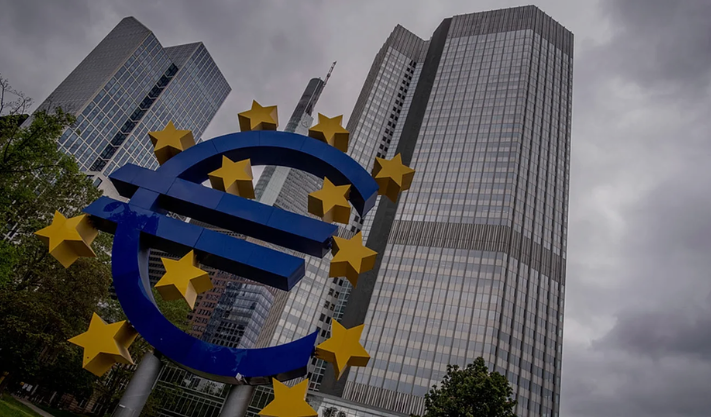
Experts Warn the Euro Could Fall if the Iran War Continues
The ongoing war in Iran has raised serious concerns among economists about the future of Europe’s economy and the value of the euro. While former U.S. President Donald Trump suggested the conflict might last only about four weeks, many experts believe the situation could continue much longer. If that happens, it could create major economic problems, especially for Europe.
Since the conflict began at the end of February, energy prices have already started to rise. The war has affected the supply and prices of oil, petrol, diesel, and natural gas. These increases are making life more expensive for consumers and are also creating difficulties for industries that depend heavily on energy.
Countries like Germany, which have large industrial sectors, are especially vulnerable. Industries such as chemicals, steel, automotive manufacturing, and mechanical engineering require large amounts of energy to operate. When energy becomes more expensive, the cost of producing goods rises sharply. This puts pressure on companies, reduces profits, and can slow down economic growth.
Germany’s economy was already facing challenges before the war began. Economic growth forecasts were not very strong, and the country’s industrial sector has been struggling with global competition and rising costs. The new energy price shock caused by the war could make the situation even worse.
Another major concern is the value of the euro. Currently, the euro is worth about $1.16 against the US dollar. However, economists warn that the currency could weaken if the conflict in Iran lasts longer than expected.
Economist Daniel Stelter believes the euro is already in a fragile position. According to him, the euro is structurally weak because Europe has slow economic growth, high levels of government debt, and political disagreements between countries in the region. If global uncertainty increases due to the war, investors may move their money into what they consider safer assets, such as the US dollar.
When investors move their money into dollar-based investments, demand for the dollar increases. This strengthens the dollar while weakening other currencies, including the euro. Stelter says this process could put additional pressure on the European currency.
Carsten Brzeski, the chief economist at ING Bank, shares a similar view. He explains that in times of crisis, investors usually prefer safe currencies like the US dollar. If the conflict in the Middle East continues and creates more uncertainty, the dollar could become stronger while the euro continues to fall.
One of the biggest risks involves the Strait of Hormuz, a key shipping route for global oil supplies. If this area is blocked for several weeks due to the conflict, oil prices could increase dramatically. Brzeski says that oil prices could reach $100 per barrel or even higher in such a situation.
Higher oil prices would create serious problems for Europe, which imports much of its energy. As oil prices rise, the cost of transportation, electricity, and many other products also increases. This could push inflation higher while slowing economic growth.
In this scenario, the euro could fall to around $1.10 against the dollar. Some estimates suggest it could drop between $1.10 and $1.12, representing a loss of about 5% to 8% compared to current levels.
A weaker euro would have several effects on everyday life in Europe. For example, traveling to the United States would become more expensive for Europeans because their currency would be worth less when exchanged for dollars. Flights, hotels, and shopping in the US would all cost more.
Imported goods would also become more expensive. Products such as oil, electronics, and raw materials are often priced in US dollars. When the euro loses value, European companies and consumers must pay more for these imports.
If the euro falls by 5% to 8% in the coming weeks, it would reach its lowest level since the energy crisis of 2022–2023. That crisis was triggered by Russia’s full invasion of Ukraine, which also disrupted energy supplies and pushed prices higher.
According to Brzeski, this situation would not automatically mean that Germany enters a recession. However, it would significantly slow down the economic recovery that has recently started to appear.
Daniel Stelter, however, believes the situation could become much more serious. In a worst-case scenario, he predicts the euro could fall even further than during the 2022–2023 crisis. He suggests the euro might even drop below parity with the dollar, meaning one euro would be worth less than one dollar.
Stelter believes the euro could fall to somewhere between $0.90 and $0.95. Such a drop would represent a dramatic decline in the currency’s value and would create major economic problems for Europe.
Germany could be particularly affected. Stelter warns that if the conflict continues for several months and causes serious damage to energy infrastructure or shipping routes, the economic consequences could be severe.
Higher energy prices act like an extra tax on the economy. When people spend more money on energy, they have less money left for other purchases. Businesses also reduce investments because their costs increase and profits shrink.
For a country like Germany, which relies heavily on manufacturing and exports, this could push the economy into a deep recession. Stelter believes that in such a scenario, the entire eurozone could experience at least a technical recession.
Energy-intensive industries would be hit especially hard. Companies in sectors such as chemicals, steel, automobiles, and machinery could see their profit margins collapse. Stock markets in Europe might also fall sharply.
Stelter believes European stock indices could decline more than US markets because Europe is more dependent on imported energy. Investors might panic and start selling large numbers of shares, especially if economic growth slows while inflation remains high.
This situation is known as stagflation, which occurs when inflation rises but economic growth remains weak. Stagflation is particularly difficult for governments and central banks to manage.
A long blockade of important shipping routes could also affect interest rates and government bonds. If investors become worried about rising inflation and economic instability, borrowing costs for governments could increase.
In such a situation, the European Central Bank (ECB) might have to step in to stabilize financial markets and prevent a new debt crisis, especially in countries with high government debt such as France.
Stelter also warns that extreme price spikes in energy markets are possible if the conflict escalates further. Attacks on oil tankers or damage to energy infrastructure could disrupt global supply and cause prices to surge suddenly.
This type of unexpected crisis is sometimes called a “black swan” event in the energy sector. It could lead to serious global economic disruptions, including shortages, factory shutdowns, and companies moving production to other regions.
Germany’s export sector could also suffer, even though a weaker euro usually makes exports cheaper for foreign buyers. If global economic growth slows because of high energy prices, demand for goods could decline worldwide.
Large economies such as China, India, and the United States could reduce spending if energy costs rise significantly. When businesses and consumers in those countries spend less money, they also buy fewer products from Germany and other European countries.
The European Central Bank could face a difficult decision during this crisis. Its main goal is to keep inflation around 2% over the long term.
If the conflict ends quickly, the ECB might lower interest rates to support economic growth. Lower interest rates make borrowing cheaper, which encourages businesses to invest and consumers to spend more.
However, if the war lasts longer and keeps pushing energy prices higher, inflation could rise again. In that case, the ECB might not be able to lower interest rates. Instead, it might need to keep them high or even raise them to control inflation.
This would create a difficult situation where economic growth slows while borrowing costs remain high. Investors could lose confidence in the European economy and move their money elsewhere.
Stelter believes rising energy prices could increase the eurozone’s inflation rate by at least one additional percentage point if prices stay high for several months. At the same time, economic growth could weaken significantly.
This combination of rising prices and slow growth is exactly what economists call the stagflation trap.
Politically, governments may push the ECB to support heavily indebted countries by keeping interest rates low and buying government bonds. Stelter says this could increase concerns about the long-term stability of the eurozone’s financial system.
However, there is still a more positive scenario. If the conflict with Iran de-escalates quickly and ends within four or five weeks, the economic damage could remain limited.
In that case, the euro could stabilize and financial markets might recover.
But for now, it remains unclear how long the conflict will last. Strong resistance from Iran’s leadership against any attempt at regime change could prolong the war for months.
If the fighting continues and critical energy infrastructure in the Middle East is damaged, the economic consequences could become far more serious for Europe and the global economy.
Stelter concludes that the situation would be manageable if the conflict ends quickly and key energy facilities in countries such as Saudi Arabia and Qatar remain safe. However, if the war expands and disrupts global energy supplies, the risks to Europe’s economy and the euro could grow significantly.
Also Read:
5 common mistakes owners make when selling a business
SOCAR Gets EU Approval to Buy Major Italian Fuel Company
Why PR Should Be a Core Strategic Function in Every Company