
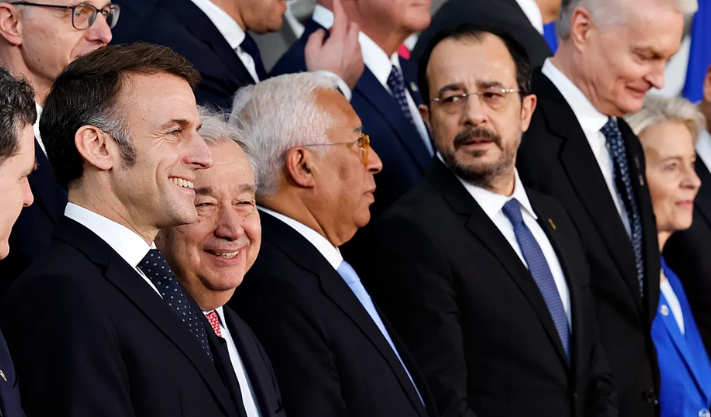
EU Summit: Leaders Urge “Moratorium” on Energy Strikes in the Middle East
The recent summit of the European Union brought together heads of state and senior policymakers at a time of heightened geopolitical tension in the Middle East. With energy infrastructure increasingly becoming a target in regional conflicts, EU leaders collectively voiced deep concern over the potential global consequences of continued strikes on oil and gas facilities. The central outcome of the summit was a strong and unified appeal for a “moratorium” on energy-related attacks, emphasizing the urgent need to safeguard critical infrastructure that underpins not only regional stability but also the global economy.
Below is a detailed, point-wise exploration of the key themes, discussions, and implications of the summit:
Rising Concerns Over Energy Security
EU leaders stressed that attacks on energy infrastructure—such as oil refineries, pipelines, and shipping routes—pose a direct threat to global energy security. The Middle East remains a vital hub for oil and gas production, and any disruption in this region has immediate ripple effects across international markets. With Europe still adjusting its energy strategy in the aftermath of recent geopolitical conflicts, stability in alternative supply regions has become even more critical.
Call for a Moratorium on Energy Strikes
A central highlight of the summit was the collective call for a temporary halt—or moratorium—on attacks targeting energy assets. Leaders argued that energy infrastructure should be treated as neutral and protected zones, similar to humanitarian corridors during wartime. This proposal aims to create a buffer that prevents further escalation and ensures uninterrupted supply to global markets.
Economic Implications for Europe
The EU’s economy is highly sensitive to fluctuations in energy prices. Any disruption in Middle Eastern oil supplies can lead to price spikes, inflation, and economic instability across member states. Leaders warned that continued attacks could undermine Europe’s fragile economic recovery and increase the cost of living for millions of citizens.
Impact on Global Markets
The summit highlighted how energy strikes in the Middle East do not remain localized issues. Global oil benchmarks react almost instantly to geopolitical developments in the region. EU officials pointed out that uncertainty alone—without actual supply disruption—can drive volatility in international markets, affecting both developed and developing economies.
Diplomatic Engagement and Dialogue
EU leaders emphasized the importance of diplomatic channels in de-escalating tensions. They called for renewed dialogue among regional powers, urging them to exercise restraint. The EU offered to act as a mediator, leveraging its diplomatic influence to encourage peaceful negotiations.
Protection of Critical Infrastructure
Another key point discussed was the need to enhance the protection of critical energy infrastructure. Leaders advocated for international agreements that classify such infrastructure as protected assets during conflicts. This includes not only physical protection but also cybersecurity measures to prevent digital attacks on energy systems.
Energy Diversification Strategy
The summit reinforced the EU’s ongoing efforts to diversify its energy sources. In response to past disruptions, Europe has been investing in renewable energy, liquefied natural gas (LNG) imports, and partnerships with alternative suppliers. However, leaders acknowledged that the Middle East will continue to play a crucial role in the global energy landscape for the foreseeable future.
Humanitarian Considerations
Beyond economic concerns, EU leaders also highlighted the humanitarian impact of energy strikes. Attacks on infrastructure can disrupt electricity, water supply, and essential services for civilians. The moratorium proposal was framed not only as an economic necessity but also as a humanitarian imperative.
Coordination with International Partners
The EU stressed the importance of working closely with international allies and global organizations. Coordinated efforts are seen as essential in applying diplomatic pressure and ensuring compliance with any agreed-upon moratorium.
Risk of Escalation
Leaders warned that continued attacks on energy infrastructure could escalate into a broader regional conflict. Such escalation would not only threaten energy supplies but also global security. The call for restraint is aimed at preventing a chain reaction that could destabilize the entire Middle East.
Role of Renewable Energy Transition
The summit also linked the current crisis to long-term goals of transitioning to renewable energy. While immediate reliance on fossil fuels remains, leaders emphasized that reducing dependence on volatile regions is key to future resilience. Investments in solar, wind, and green hydrogen were highlighted as strategic priorities.
Strategic Reserves and Preparedness
Officials discussed the importance of maintaining strategic energy reserves to cushion against potential disruptions. Member states were encouraged to review their reserves and ensure adequate preparedness for supply shocks.
Industry and Business Impact
European industries, particularly manufacturing and transportation, are heavily dependent on stable energy supplies. Leaders noted that prolonged disruptions could lead to reduced production, job losses, and weakened competitiveness in global markets.
Public Communication and Transparency
The summit underscored the need for clear communication with the public regarding energy risks and government responses. Transparency is seen as essential in maintaining public trust and preventing panic during periods of uncertainty.
Long-Term Geopolitical Strategy
Finally, leaders framed the moratorium call as part of a broader geopolitical strategy. By advocating for the protection of energy infrastructure, they aim to establish international norms that discourage targeting critical resources during conflicts.
Conclusion
The EU summit’s call for a moratorium on energy strikes in the Middle East reflects a growing recognition of the interconnected nature of global energy systems and geopolitical stability. By urging restraint, promoting diplomacy, and reinforcing energy resilience strategies, leaders are attempting to navigate a complex and volatile landscape. While the success of this initiative depends on cooperation from regional actors, the summit marks a significant step toward addressing one of the most pressing challenges facing the global community today.
Also Read:-
Iran Vows to Retaliate as Israel Targets Leadership and Energy Facilities
Oil Prices Rise to $110 After Israel Attacks Iran’s Energy Sites
Why Is Petrol More Expensive in Germany Than Most Places in the EU?