
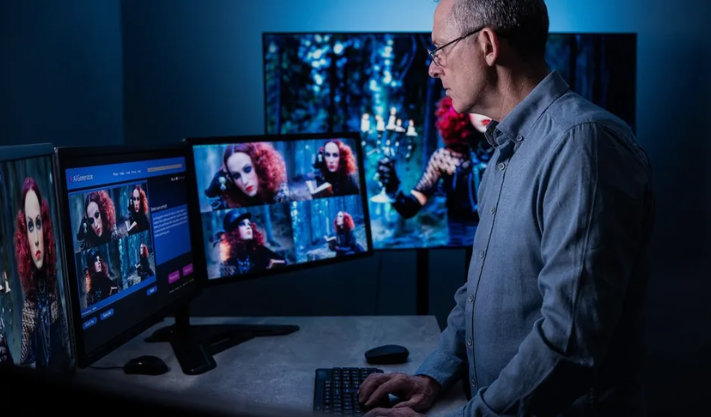
I Tested ChatGPT’s New Images 2.0 – Here’s What It Means for Your Job
A few days ago, OpenAI introduced Images 2.0, a new and improved version of ChatGPT’s image creation tool. This update brings better quality, more features, and smarter results.
I decided to test Images 2.0 with a simple goal: can it create useful, high-quality content that professionals can actually use at work?
To find out, I tried three different tasks:
- Making an educational infographic
- Creating a job advertisement image
- Designing slides for a presentation
The results were impressive. It became clear that AI is improving very fast and changing how creative work is done. It is reducing the need for manual, repetitive design tasks.
It is also making it easier for entrepreneurs and professionals who don’t have a big budget, a marketing team, or design skills. Now, they can create high-quality content on their own.
What Is Images 2.0?
Images 2.0 is a new image generation system by OpenAI. It is smarter and more advanced than earlier versions.
Here are some key points:
- It can create high-quality images, even with a lot of text
- The images look more realistic and less like AI-generated content
- It can use real-time web information when needed
- It follows instructions very carefully and handles details well
- You can create up to 10 images at once with consistent quality
Test 1: Creating an Infographic
For the first test, I asked ChatGPT to design an infographic about the top skills needed for 2026 and beyond.
The prompt was simple: create a clean, blue and white infographic with numbered skills, short descriptions, and sources.
After a few minutes, it produced a clear and professional design. The layout was neat, the text was readable, and the information was well-structured.
This showed that AI can now handle tasks that usually require a graphic designer.
Test 2: Creating a Job Advertisement
Next, I tested how well it could create a job post image.
I uploaded a job description and asked ChatGPT to turn it into a LinkedIn-style post.
The result was very strong:
- It picked the most important details
- The text was clear and correct
- There were no spelling mistakes or visual errors
Then I made a small change. I asked it to switch the job location from the UK to the US.
What happened next was interesting. The AI not only changed the location but also adjusted the entire design and content to match a US audience.
This showed how smart and adaptable the system has become.
Test 3: Creating Presentation Slides
For the final test, I asked ChatGPT to create six slides for a marketing campaign for a fictional energy drink called “VORTEX.”
I gave detailed instructions about the design, style, and content of each slide.
Within two minutes, it generated all six slides with high-quality visuals. Each slide matched the theme and followed the instructions closely.
This was a big step forward. Earlier tools could not create multiple detailed images like this so quickly and consistently.
What This Means for the Future of Work
After seeing these results, one big question came to mind:
Will AI replace creative jobs?
The answer is not simple. From discussions with business leaders and experts, the answer is no — but things are changing.
Creative jobs are not disappearing, but they are being redefined.
The bigger change is this: one person can now do the work of a whole team using AI tools.
Some companies have already noticed this. They believe that a single employee, supported by AI, can produce much more work than before.
This may lead to fewer roles in some areas. But it also creates new opportunities for people who know how to use AI well.
The New Role of Humans
If AI can create content on its own, what is left for humans to do?
The answer lies in higher-level thinking.
Human roles are now more focused on:
- Creative strategy
- Decision-making and judgment
- Understanding customer needs
- Analyzing behavior and trends
- Choosing what content should be created
AI can produce content, but it does not fully understand people, emotions, or business goals the way humans do.
That is where you add value.
What Makes You Valuable Now?
The most important skill today is becoming “AI-native.”
This means:
- Knowing how to use AI tools effectively
- Giving clear instructions (prompts)
- Combining AI output with your own ideas and experience
Your value comes from how well you guide the AI, not just from doing tasks yourself.
Your unique thinking, market knowledge, and ability to connect ideas are what make you stand out.
What About Entry-Level Jobs?
This is where the biggest change is happening.
Entry-level roles in marketing and creative fields often focus on execution — creating posts, designing visuals, and handling basic tasks.
But now, AI can do much of this work.
So what remains?
Strategy.
New graduates cannot rely only on portfolios showing design or content work. They need to show:
- How they use AI tools
- How they think strategically
- How they understand audiences
- How they combine creativity with data
In short, they need to show they are ready for the future of work.
Final Thoughts
Images 2.0 is not just a new tool. It is a sign of how fast technology is changing the workplace.
It is raising the standard for what it means to be useful and valuable in a job.
Now, it is not enough to just create content. You need to think, plan, and guide the process.
AI is a powerful assistant, but it still needs human direction.
So the real question is:
Are you learning how to use AI to your advantage?
Because those who do will have a strong edge in the future job market.
Also Read:-
2026 Wealth Rankings: France, Germany Drop Out Top 10
How Leading Brands Are Approaching ChatGPT Advertising
EU Population to Drop 12% by 2100: Hardest-Hit Nations