
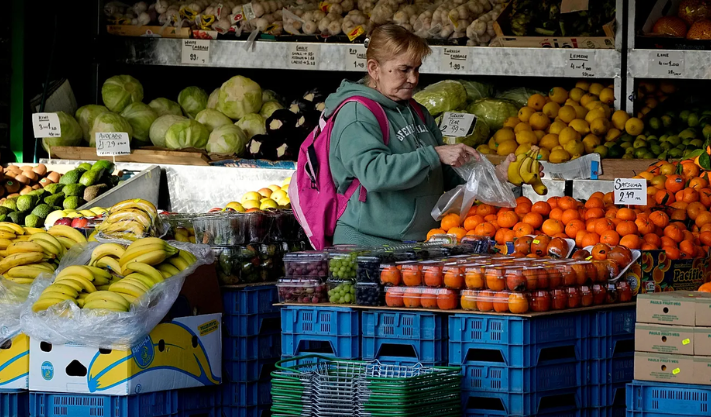
Oil, Energy, and Food: Which European Countries Are Most Vulnerable to Rising Food Prices?
The Interconnected Nature of Energy and Food Prices
Food prices do not rise in isolation—they are deeply connected to energy markets, particularly oil and natural gas. Energy is a fundamental input at nearly every stage of the food supply chain, from agricultural production and fertilizer manufacturing to transportation and storage. When oil and gas prices increase, the cost of producing and delivering food rises as well, creating inflationary pressure that ultimately reaches consumers. In Europe, this relationship is especially pronounced due to the region’s reliance on imported energy and its exposure to global market volatility. As a result, countries that are more dependent on energy imports or have less diversified supply chains are often more vulnerable to food price shocks.
The Role of Fertilizers and Agricultural Inputs
One of the most critical links between energy and food prices is fertilizer production. Nitrogen-based fertilizers, which are essential for modern agriculture, are heavily dependent on natural gas. When gas prices surge, fertilizer costs increase significantly, forcing farmers to either absorb the higher expenses or reduce usage—both of which can lead to lower crop yields and higher food prices. European countries with large agricultural sectors, such as France, Spain, and Poland, are particularly sensitive to these changes. While some nations have domestic production capacity, many still rely on imports, making them susceptible to fluctuations in global energy markets.
Dependence on Food Imports and Trade Exposure
Another key factor influencing vulnerability is the degree to which a country depends on food imports. Nations that rely heavily on imported grains, oils, and other staples are more exposed to global price volatility. Southern European countries like Italy and Greece, for example, import a significant portion of their food supply. When international prices rise due to increased energy costs or supply disruptions, these countries experience immediate and pronounced impacts. Additionally, countries with weaker currencies or less fiscal flexibility may struggle to cushion these shocks through subsidies or policy interventions.
Eastern Europe: High Exposure to Energy Shocks
Eastern European countries tend to be among the most vulnerable due to their historical dependence on external energy sources, particularly natural gas. Countries such as Hungary, Slovakia, and Bulgaria have faced significant challenges in diversifying their energy supplies. This dependence amplifies the impact of rising energy prices on food production and distribution. Moreover, lower average incomes in these regions mean that households spend a larger proportion of their income on food, making price increases more burdensome and socially destabilizing.
The Impact of Transportation and Logistics Costs
Transportation is another critical component linking oil prices to food costs. Europe’s food system relies on extensive logistics networks to move goods across borders and within countries. Rising fuel prices increase the cost of shipping raw materials, agricultural products, and finished food items. Landlocked countries or those with less efficient infrastructure may face higher transportation costs, further exacerbating price increases. This is particularly relevant for Central and Eastern European nations, where logistics systems may not be as advanced or cost-efficient as those in Western Europe.
Climate Change and Compounding Risks
Energy-driven price increases are often compounded by climate-related challenges. Extreme weather events, such as droughts, floods, and heatwaves, can disrupt agricultural production and reduce supply. When these disruptions coincide with high energy prices, the result is a double shock that drives food prices even higher. Southern European countries, including Spain and Portugal, are especially vulnerable to climate risks, which can intensify the effects of rising input costs and create long-term instability in food systems.
Policy Responses and Government Intervention
Governments across Europe have implemented a range of measures to mitigate the impact of rising food and energy prices. These include subsidies for energy and fertilizers, price controls, and direct financial support for households. However, the effectiveness of these measures varies widely depending on a country’s fiscal capacity and policy framework. Wealthier nations like Germany and France are better positioned to provide support, while less affluent countries may face constraints that limit their ability to respond effectively. This disparity contributes to uneven levels of vulnerability across the continent.
The Role of Energy Diversification and Sustainability
Countries that have invested in energy diversification and renewable sources are generally less exposed to the volatility of fossil fuel markets. For example, nations with strong renewable energy sectors, such as wind, solar, and hydroelectric power, can reduce their dependence on imported fuels and stabilize production costs. Over time, this can help insulate food systems from energy price shocks. However, the transition to renewable energy is uneven across Europe, and many countries are still in the early stages of reducing their reliance on fossil fuels.
Consumer Impact and Social Implications
Rising food prices have significant social consequences, particularly for low-income households. In countries where a large share of income is spent on basic necessities, even modest price increases can lead to financial strain and reduced access to nutritious food. This can exacerbate inequality and increase the risk of social unrest. Governments must balance short-term relief measures with long-term strategies to ensure food security and economic stability.
Conclusion: Identifying the Most Vulnerable Countries
In summary, the European countries most vulnerable to rising food prices are those with high dependence on energy imports, significant reliance on food imports, limited fiscal capacity, and greater exposure to climate risks. Eastern and Southern European nations often face the greatest challenges due to a combination of these factors. While policy interventions and energy diversification can help mitigate these risks, the interconnected nature of oil, energy, and food markets means that no country is entirely immune. For business leaders and policymakers, understanding these dynamics is essential for developing strategies that enhance resilience and ensure long-term stability in an increasingly uncertain global environment.
Also Read:
US Trails Europe Under New Poverty Measure
Airline Unveils Economy Seats That Turn Into Beds
EU-Australia trade deal draws farmer, lawmaker backlash