
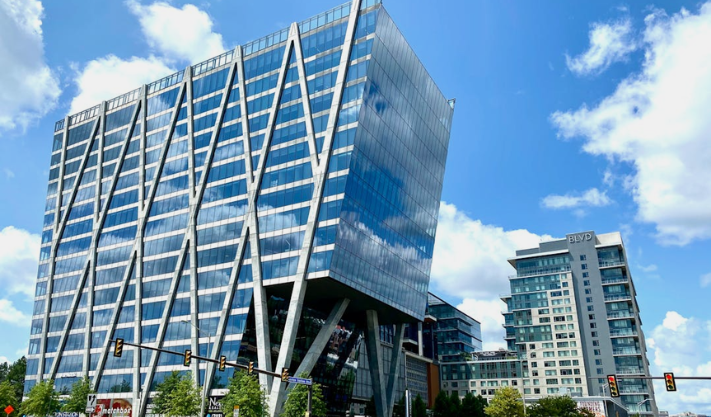
Italy Commercial Real Estate Sees Record Demand
Italy’s commercial real estate market is experiencing a powerful resurgence. After years of cautious investment, pandemic disruption, and economic uncertainty, demand across multiple commercial asset classes has reached record levels. Domestic and international investors alike are returning to the Italian market with renewed confidence, drawn by competitive pricing, strategic geography, sector diversification, and structural shifts in how businesses operate.
From Milan’s financial districts to Rome’s mixed-use redevelopments, from logistics hubs in the north to hospitality assets along the coasts, Italy is emerging as one of Europe’s most compelling commercial real estate stories.
A Market Reawakened
The surge in demand is not accidental. It reflects broader macroeconomic stabilization, improved investor sentiment, and Italy’s increasing alignment with global capital flows. Institutional investors who once prioritized core markets such as Germany, France, and the UK are now diversifying toward Southern Europe in search of yield and long-term growth potential.
Italy, long considered a value-driven but complex market, has matured significantly. Regulatory transparency has improved. Urban redevelopment projects have modernized city infrastructure. ESG compliance standards are gaining traction. These shifts have strengthened investor trust and accelerated transaction activity.
As a result, transaction volumes across office, logistics, retail, and hospitality sectors have risen sharply, signaling renewed momentum.
Milan: The Engine of Growth
No conversation about Italian commercial real estate is complete without Milan. The city has firmly established itself as Italy’s financial and business capital, attracting multinational corporations, tech firms, and financial institutions.
Prime office space in Milan continues to command strong demand, particularly in modern, energy-efficient buildings that meet international ESG standards. Tenants are seeking flexible, high-quality workspaces that support hybrid models while offering collaborative environments.
Urban regeneration projects—such as Porta Nuova and CityLife—have transformed Milan’s skyline and enhanced its global competitiveness. Mixed-use developments combining office, retail, and residential components are particularly attractive, as they reflect evolving preferences for integrated urban living.
Investors see Milan not only as a stable core market but as a growth platform within Southern Europe.
Logistics: The Standout Performer
Among all asset classes, logistics has emerged as one of the strongest performers. The continued expansion of e-commerce, supply chain diversification, and nearshoring trends have driven unprecedented demand for warehouse and distribution facilities.
Northern Italy, with its proximity to key European transport corridors, has become a strategic logistics hub. Regions such as Lombardy, Emilia-Romagna, and Veneto are witnessing rapid development of large-scale logistics parks.
Occupiers are prioritizing modern facilities with advanced automation capabilities, sustainability certifications, and strong transport connectivity. Investors, in turn, are attracted by stable long-term leases and resilient cash flows.
Logistics has shifted from a niche sector to a core investment pillar, reflecting structural changes in global trade and consumer behavior.
Hospitality’s Remarkable Comeback
Italy’s global reputation as a tourism powerhouse continues to support strong performance in hospitality real estate. Following pandemic-era challenges, the tourism sector has rebounded robustly, driving renewed interest in hotels, resorts, and experiential accommodations.
Luxury and lifestyle hospitality assets are particularly sought after, especially in high-demand locations such as Rome, Florence, Venice, and the Amalfi Coast. International hotel brands are expanding their Italian portfolios, often through partnerships with local developers.
Investors are also targeting value-add opportunities—renovating historic properties or repositioning underperforming assets to meet modern traveler expectations.
Italy’s cultural heritage, culinary reputation, and global brand appeal provide a long-term foundation for hospitality growth, making it an attractive segment for both institutional and private capital.
Retail’s Evolution, Not Decline
While retail real estate has faced structural challenges globally, Italy’s retail market is evolving rather than contracting. Prime high-street locations in cities like Milan and Rome remain highly desirable, especially for luxury brands and global fashion houses.
Italy’s position as a fashion and design capital reinforces demand for flagship stores in prestigious districts. International brands continue to view Italian high streets as strategic brand-building platforms.
Meanwhile, retail parks and convenience-focused centers are performing well in suburban and regional areas, reflecting consumer demand for accessibility and integrated shopping experiences.
The shift is clear: experiential retail, luxury positioning, and mixed-use integration are outperforming traditional mall formats.
ESG and Sustainability as Value Drivers
Environmental, social, and governance (ESG) criteria are playing an increasingly central role in investment decisions. Tenants are prioritizing energy-efficient buildings that reduce operational costs and align with corporate sustainability commitments.
Developers are responding with green-certified projects, renewable energy integration, and sustainable construction materials. Buildings that fail to meet modern efficiency standards risk obsolescence, while ESG-compliant assets command premium valuations.
This sustainability focus is reshaping Italy’s commercial property landscape, encouraging redevelopment and modernization across asset classes.
International Capital Flows
Foreign investors are a significant force behind Italy’s commercial real estate boom. Private equity firms, sovereign wealth funds, and global asset managers are actively pursuing Italian assets as part of diversified European strategies.
Compared to some northern European markets, Italy often offers higher yields, particularly in logistics and value-add office projects. This yield spread, combined with improving fundamentals, enhances its appeal.
Additionally, Italy’s geographic position as a bridge between Central Europe and the Mediterranean strengthens its strategic importance, particularly in logistics and trade infrastructure.
Cross-border partnerships between international capital and local developers are becoming more common, blending global expertise with regional knowledge.
Urban Regeneration and Mixed-Use Projects
Another driver of record demand is the rise of mixed-use developments. Investors and developers are increasingly focused on projects that integrate office, residential, retail, and leisure components into cohesive environments.
Urban regeneration initiatives in Milan, Rome, and secondary cities are transforming underutilized industrial zones into vibrant commercial districts. These developments align with modern urban planning trends that prioritize walkability, sustainability, and community engagement.
Mixed-use assets offer diversified income streams and reduced risk exposure, making them particularly attractive in uncertain economic environments.
Challenges and Considerations
Despite record demand, the Italian commercial real estate market is not without challenges. Interest rate fluctuations, construction cost inflation, and regulatory complexities can impact project timelines and financing structures.
Additionally, political and economic stability remain important considerations for international investors. While confidence has grown, due diligence and local expertise remain critical to navigating market nuances.
However, these challenges are increasingly seen as manageable risks rather than deterrents.
The Outlook Ahead
The outlook for Italy’s commercial real estate sector remains positive. Structural trends—urbanization, e-commerce expansion, sustainability requirements, and tourism growth—provide long-term tailwinds.
As capital continues to flow into the market, competition for prime assets is intensifying. Developers are accelerating new projects to meet tenant demand, particularly in logistics and ESG-compliant office spaces.
Italy is no longer viewed merely as an opportunistic play. It is increasingly considered a strategic allocation within European portfolios.
A Market at a Turning Point
Italy’s commercial real estate market is experiencing more than a cyclical rebound—it is undergoing a structural evolution. Record demand reflects deeper confidence in the country’s economic trajectory, urban transformation, and sector diversification.
Milan’s skyline growth, logistics expansion in the north, hospitality revitalization in cultural hubs, and retail reinvention across cities all point to a market redefining itself.
For investors willing to navigate complexity with strategic insight, Italy offers a compelling combination of yield, growth potential, and global brand strength.
As capital continues to recognize these advantages, Italy’s commercial real estate sector appears poised not just for record demand—but for sustained momentum in the years ahead.
Also Read:
Most Europeans Expect Grocery Prices to Rise Faster in 2026
Europe 2026 energy prices: costly and affordable cities
Italy Investment Opportunities in Luxury and Fashion Industries