
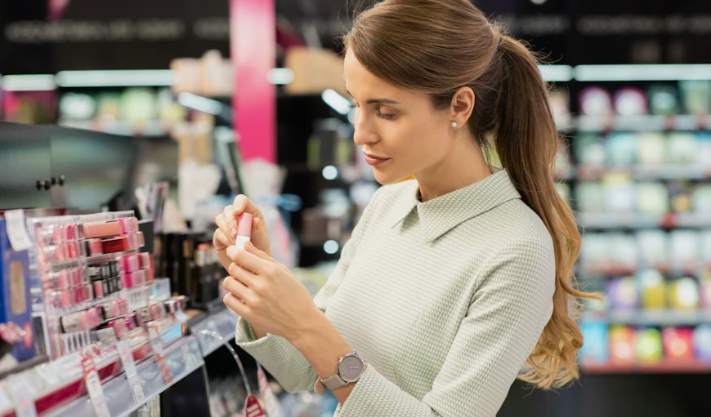
Germany Beauty Market Trends: From Organic to Digital Sales
The beauty market in Germany is undergoing significant transformation. Traditionally known for its high-quality skincare, haircare, and cosmetics, the market is now being reshaped by evolving consumer preferences, technological innovation, and sustainability trends. From the rise of organic products to the digitalization of sales channels, businesses are adapting quickly to stay competitive.
The Rise of Organic and Natural Products
German consumers are increasingly prioritizing health, wellness, and sustainability in their beauty purchases. Organic and natural products are no longer niche; they are mainstream. Skincare and haircare brands that emphasize clean, cruelty-free ingredients and environmentally friendly packaging are attracting significant attention.
According to recent market reports, sales of natural and organic beauty products in Germany have grown steadily over the past five years, driven by a younger demographic that values ethical consumption. This shift is prompting established brands to reformulate products and new entrants to focus exclusively on organic offerings.
Premiumization and Personalization
Another notable trend is premiumization. Consumers are willing to pay more for products that deliver enhanced quality, innovative formulas, or luxury experiences. Personalized beauty products, such as customized skincare routines and haircare solutions, are gaining traction.
Technology plays a crucial role here. Many brands use AI-driven diagnostics or mobile apps to recommend products tailored to individual skin types, concerns, and preferences. Personalization not only boosts customer satisfaction but also encourages repeat purchases, increasing brand loyalty.
Digital Sales and E-Commerce Growth
The German beauty market is experiencing a rapid shift from traditional retail to digital sales. E-commerce platforms, brand websites, and social media channels are becoming primary sales channels, accelerated by the pandemic. Consumers now expect seamless online shopping experiences, including subscription services, click-and-collect options, and fast delivery.
Influencer marketing and social commerce are also highly influential. Beauty brands leverage Instagram, TikTok, and YouTube to showcase products, provide tutorials, and create authentic connections with consumers. Digital marketing campaigns that combine storytelling with educational content are particularly effective in driving engagement and sales.
Sustainability and Ethical Practices
Sustainability is a critical factor shaping consumer choices in Germany. Beyond organic ingredients, buyers are looking for brands that prioritize recyclable packaging, carbon footprint reduction, and ethical sourcing. Certifications such as BDIH, NaTrue, and EcoCert are increasingly used to signal credibility and transparency.
Brands that fail to demonstrate environmental responsibility risk losing market share, especially among younger, eco-conscious consumers. Companies are responding by investing in green packaging, refillable products, and transparent supply chains.
Future Outlook
The German beauty market is expected to continue evolving along these lines. Organic and premium products, digital sales channels, and sustainability will remain key drivers. Brands that combine innovation with transparency, authenticity, and personalized experiences are likely to thrive.
For both established players and new entrants, understanding these trends is essential. Those who adapt quickly to changing consumer expectations, invest in digital tools, and commit to ethical practices will be best positioned to capture growth in Germany’s dynamic beauty sector.
Also Read:
France Luxury Real Estate Trends for High-Net-Worth Buyers
European markets fall, gold rises as US threatens Greenland tariffs
Germany’s Real Estate Funds Gain Popularity Among Investors