
Germany’s Startups Attract €5B Investment in 2026 Business Boom
Germany’s startup ecosystem is experiencing a remarkable surge in 2026, with venture capital and private equity investments reaching an impressive €5 billion in the first half of the year alone. This influx of capital highlights the country’s growing appeal as a hub for innovation, technology, and entrepreneurship. From fintech to green technology and AI-driven solutions, German startups are drawing attention not only from domestic investors but also from global venture funds seeking high-potential opportunities.
A Booming Startup Ecosystem
Germany has long been recognized as Europe’s industrial powerhouse, but in recent years, it has successfully cultivated a dynamic startup ecosystem. Cities like Berlin, Munich, Hamburg, and Frankfurt have become centers of innovation, offering vibrant tech communities, accelerators, co-working spaces, and strong networks for entrepreneurs.
The €5 billion investment milestone in 2026 underscores the growing confidence of investors in German startups’ scalability and global competitiveness. Startups in fintech, artificial intelligence, green technologies, and health tech have been particularly successful in attracting funding, reflecting broader global trends toward digitalization, sustainability, and technological advancement.
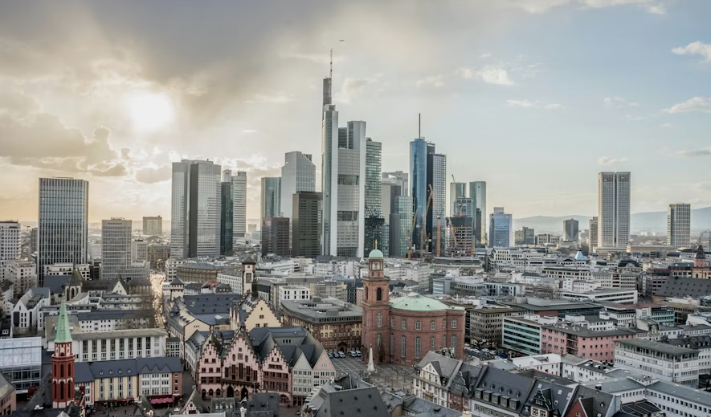
Berlin, often referred to as the “startup capital of Europe,” continues to lead the way. The city’s mix of international talent, a thriving tech scene, and a relatively low cost of living compared to other major European capitals makes it an attractive location for entrepreneurs. Munich, with its strong industrial base and access to engineering talent, has seen a rise in hardware, mobility, and cleantech startups. Meanwhile, Frankfurt’s financial ecosystem supports fintech and insurtech companies, positioning Germany as a critical hub for digital finance innovation.
Drivers of Investment Growth
Several factors have fueled this unprecedented wave of investment. First, Germany’s strong economic fundamentals, including political stability, robust infrastructure, and a skilled workforce, provide a secure environment for startup growth. Investors are confident that companies based in Germany have the operational stability to scale and compete globally.
Second, government policies and programs have increasingly supported entrepreneurship. Initiatives offering grants, tax incentives, and simplified regulatory frameworks have lowered entry barriers for startups and encouraged early-stage investment. Programs such as the High-Tech Gründerfonds and the EXIST program have provided seed funding and mentoring support, nurturing startups from inception to scale-up stages.
Third, global trends are benefiting German startups. The increasing adoption of AI, renewable energy technologies, and digital finance solutions has created fertile ground for innovative ventures. International investors, particularly from the U.S. and Asia, are taking notice of Germany’s strong engineering and technological talent pool, further accelerating funding flows.
Sector Highlights
Among the sectors attracting the most attention is fintech, where startups are offering innovative banking, payment, and investment solutions. Digital finance solutions that enhance user experience, improve security, or simplify financial transactions are in high demand. Startups such as Solarisbank, N26, and Raisin are examples of German fintech ventures that have already achieved international recognition, and new entrants continue to attract significant investment.
Green technology and sustainability-focused startups are also thriving. Germany’s commitment to energy transition and carbon neutrality has created a conducive environment for clean energy, e-mobility, and sustainable industrial solutions. Investors are particularly drawn to ventures that offer scalable technologies capable of addressing global environmental challenges while generating strong financial returns.
Artificial intelligence (AI) and deep-tech startups have emerged as another key area of growth. Companies developing AI-driven automation, predictive analytics, and machine learning solutions are receiving substantial funding, reflecting the global race to leverage AI for competitive advantage. These technologies are not only enhancing operational efficiency but also creating new business models and revenue streams across industries.
Health tech and biotech startups have also benefited from heightened global attention following the pandemic. Innovative solutions in telemedicine, digital health monitoring, and biotechnology have attracted investors looking to capitalize on the intersection of healthcare and technology.
The Role of International Investors
A notable trend in 2026 is the growing participation of international investors in Germany’s startup scene. Venture capital funds from the U.S., Asia, and other parts of Europe are increasingly partnering with local investors to identify high-potential startups. This international involvement not only brings capital but also global expertise, networks, and market access, helping German startups scale more rapidly.
The cross-border interest reflects confidence in Germany’s regulatory environment, talent availability, and innovation capacity. It also highlights the global recognition of German startups’ potential to disrupt industries and deliver long-term value.
Challenges and Opportunities
Despite the booming investment landscape, German startups face challenges. Talent acquisition remains a critical issue, particularly in tech-heavy sectors where competition for skilled engineers, data scientists, and product managers is intense. Regulatory hurdles, especially in highly regulated sectors like fintech and healthcare, require careful navigation.
However, these challenges also present opportunities. Startups that successfully attract and retain top talent, navigate complex regulations, and deliver innovative solutions can achieve significant competitive advantage. Moreover, the growing focus on ESG, digitalization, and AI creates a long-term runway for investment and expansion.
Looking Ahead
The €5 billion investment milestone in 2026 is more than just a figure; it signals Germany’s emergence as a key player in the global startup ecosystem. With robust support from government initiatives, a strong talent pool, and increasing international investor interest, the country’s startups are well-positioned for continued growth and global influence.
As the startup ecosystem matures, we can expect increased collaboration between established corporations and emerging ventures, further accelerating innovation. Strategic partnerships, mergers and acquisitions, and cross-border expansions will likely shape the next phase of Germany’s startup boom.
In conclusion, Germany’s startups are not just attracting capital—they are reshaping the country’s economic landscape. The €5 billion investment wave in 2026 underscores the growing confidence in German innovation, entrepreneurial talent, and global competitiveness. For investors, entrepreneurs, and policymakers alike, Germany’s startup ecosystem represents both a success story and an opportunity for sustained growth and international impact.
Also Read:
Europe Sees Rising Crypto Ownership: Top Investors Revealed
European Lifestyle Startups to Watch for Business Success
Investment Trends in Europe’s Luxury Fashion and Beauty Market