
Why European Markets Often Rise in December
European stock markets often perform well in December, but why does this happen?
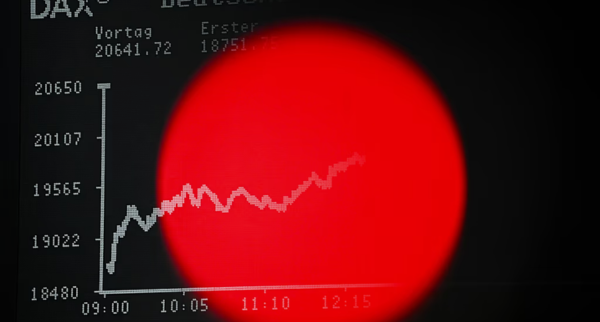
Historically, December has been a strong month for European stocks like the EURO STOXX 50, DAX, and CAC 40. This year-end rise, often called the “Santa Claus rally,” is driven by investor behavior and seasonal trends.
For decades, investors have noticed that the last month of the year usually brings positive returns. Behind the festive term is a clear, data-backed pattern.
In the U.S., the S&P 500 has gone up in December about 74% of the time over the past 40 years, with an average gain of 1.44% — second only to November.
European markets show similar trends, sometimes even stronger. Since 1987, the EURO STOXX 50 has gained an average of 1.87% in December, making it the second-best month after November. December ends higher 71% of the time — more than any other month. Its best December was in 1999 (+13.68%), and the worst was 2002 (-10.2%).
Momentum Builds in the Second Half
Looking at country-specific indices, the trend continues:
-
DAX (Germany): Average December gain of 2.18%, finishing higher 73% of the time.
-
CAC 40 (France): Average gain of 1.57%, positive 70% of the time.
-
IBEX 35 (Spain) and FTSE MIB (Italy): More moderate gains of 1.12% and 1.13%, but still consistently positive.
The strongest gains usually happen in the second half of December. From December 15 to year-end:
-
EURO STOXX 50 rises 2.12% on average, positive 76% of the time.
-
DAX gains 1.87%, positive 73% of the time.
-
CAC 40 performs best, gaining 1.95%, positive 79% of the time.
In short, December often brings a strong finish to the year for European markets, with the biggest momentum appearing in the last two weeks.
What’s Behind the December Rally? It’s Not Just Holiday Cheer
So why do stock markets often rise in December? Part of the reason is how fund managers behave.
Christoph Geyer, an analyst at Seasonax, says the rally is closely linked to what big institutional investors do. At the end of the year, many fund managers adjust their portfolios to lock in performance numbers that they report to clients and shareholders.
This “price maintenance” usually means more buying, especially of stocks that are already performing well or likely to benefit from short-term momentum.
This pattern becomes more noticeable in years when stock indices, like the DAX, move sideways—meaning prices stay in a narrow range without a clear trend. This has been the case since May this year.
Geyer adds that a breakout from this sideways movement for the DAX looks increasingly likely in December.
Historically, from mid-November to early January, the DAX has performed well in 34 years and fallen in only 12, with average gains over 6% in the positive years.
While past results don’t guarantee future performance, December’s track record for major European and global markets gives investors a strong reason to pay attention.
In short, December’s market strength isn’t just holiday optimism. It comes from a mix of seasonal trends, institutional behavior, and market positioning.
Also Read:
Top Beauty Brands in Europe Driving Business Growth in 2025
Top European Cities for Smart Investments in 2025
Europe’s climate goals face hurdles amid rising energy costs