
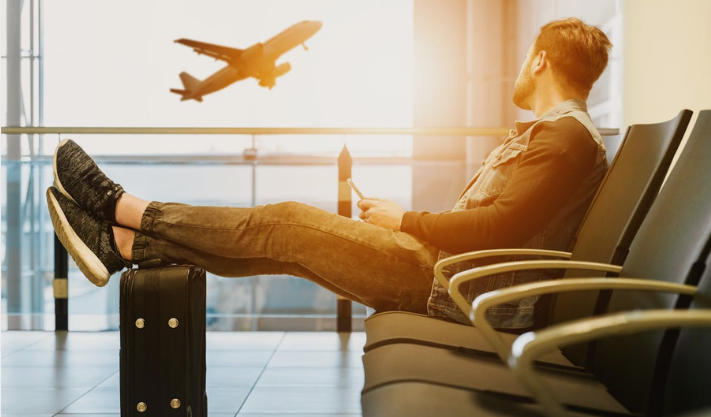
8 Powerful Business Travel Habits of High-Performing CEOs
Business travel is often seen as exhausting, unpredictable, and disruptive. However, for high-performing CEOs, travel is not a setback—it is an extension of their leadership environment. Whether attending global conferences, meeting investors, or overseeing international operations, top executives treat travel time as a strategic advantage rather than downtime.
The way CEOs manage travel can directly influence their productivity, decision-making, and overall effectiveness. While most travelers struggle with fatigue and disorganization, high-performing leaders use structured habits to stay focused, efficient, and in control.
Here are 8 powerful business travel habits that set successful CEOs apart.
1. They Plan Travel With Precision
High-performing CEOs do not treat travel planning as an afterthought. Every trip is carefully structured with clear objectives, schedules, and outcomes.
Instead of simply booking flights and hotels, they align travel plans with business priorities. Meetings are grouped efficiently, travel routes are optimized, and buffer time is included to avoid unnecessary stress.
This level of planning ensures that every trip delivers measurable value and minimizes wasted time.
2. They Travel Light and Stay Organized
Successful CEOs understand that physical clutter leads to mental clutter. That is why they often travel with minimal luggage and streamlined essentials.
Carrying only what is necessary allows them to move quickly between meetings, airports, and events without being weighed down.
Organization extends beyond luggage. Digital files, presentations, and schedules are carefully managed through cloud-based systems so everything is accessible anytime, anywhere.
3. They Maintain Strict Time Discipline
Time is one of the most valuable assets for any executive. High-performing CEOs treat every minute of travel as intentional.
They arrive early, avoid unnecessary delays, and plan their schedules with realistic time buffers. Even during layovers or transit, they use time productively for reading, reviewing documents, or preparing for meetings.
This discipline helps them maintain control over unpredictable travel environments.
4. They Use Travel Time for Strategic Thinking
While many travelers use flights or train rides for entertainment or rest, CEOs often use this time for deep thinking.
Business travel creates rare uninterrupted periods, which are ideal for reflection and strategy development. High-performing leaders use this time to evaluate company direction, analyze market trends, or plan long-term initiatives.
This habit transforms travel into a powerful tool for innovation and decision-making.
5. They Prioritize Health and Energy Management
Frequent travel can take a toll on physical and mental health. Successful CEOs counter this by prioritizing sleep, nutrition, hydration, and exercise—even while on the move.
They avoid excessive caffeine, choose healthier meal options when possible, and adjust sleep schedules to reduce jet lag.
Many also incorporate short workouts or stretching routines into their travel schedules to maintain energy levels.
Sustained performance depends on maintaining physical and mental well-being, especially during demanding travel periods.
6. They Stay Connected but Selectively
High-performing CEOs stay connected to their teams and businesses while traveling, but they do so in a controlled and intentional way.
Instead of being constantly distracted by messages, they set specific times for checking emails, responding to urgent issues, and attending virtual meetings.
This balanced approach allows them to stay informed without losing focus on travel objectives or in-person engagements.
7. They Leverage Technology for Efficiency
Technology plays a crucial role in modern executive travel. CEOs rely on tools that streamline communication, navigation, scheduling, and productivity.
From AI-powered calendar assistants to secure communication platforms, technology helps reduce friction during travel.
Cloud-based document access, digital boarding passes, and automated reminders all contribute to smoother operations.
By leveraging the right tools, CEOs can maintain high performance regardless of location.
8. They Reflect and Reset After Each Trip
One of the most overlooked habits of high-performing CEOs is post-travel reflection. After each trip, they take time to evaluate outcomes, lessons learned, and opportunities for improvement.
They assess whether travel goals were achieved, identify inefficiencies, and refine future travel strategies accordingly.
This habit ensures continuous improvement and prevents repetitive mistakes. It also helps CEOs mentally reset before returning to regular operations.
The Mindset Behind Effective Business Travel
Beyond habits, what truly distinguishes high-performing CEOs is mindset. They view business travel not as inconvenience but as opportunity. Every trip is seen as a chance to build relationships, gain insights, and expand influence.
This mindset shift transforms how they approach planning, execution, and follow-up.
Instead of reacting to travel challenges, they anticipate and prepare for them. Instead of losing productivity, they actively create it.
Common Mistakes Most Business Travelers Make
To understand what makes CEO travel habits effective, it is important to recognize common mistakes others often make:
- Overpacking and disorganization
- Poor scheduling and unrealistic itineraries
- Constant distraction from emails and notifications
- Lack of preparation for meetings
- Ignoring health and rest needs
- Failing to review travel outcomes
Avoiding these mistakes can significantly improve travel efficiency for any professional.
How These Habits Improve Leadership Performance
The benefits of strong business travel habits extend beyond convenience. They directly impact leadership performance in several ways:
- Better decision-making due to improved focus
- Stronger relationships through well-prepared meetings
- Higher productivity during transit time
- Reduced stress and burnout
- More consistent strategic thinking
- Improved adaptability in global environments
For CEOs managing large organizations, these advantages are essential for maintaining long-term success.
Conclusion
Business travel is an unavoidable part of leadership for many CEOs, but how it is managed makes all the difference. High-performing executives transform travel from a logistical challenge into a productivity advantage by following structured habits.
From precise planning and disciplined time management to strategic thinking and post-travel reflection, these habits help CEOs stay effective in even the most demanding environments.
Ultimately, success in business travel is not about traveling more—it is about traveling smarter. CEOs who master these habits are better equipped to lead globally, make stronger decisions, and maintain peak performance wherever they go.
Also Read:-
Anthropic Surpasses OpenAI in AI Valuation Race
How to Get Instant Loan Without CIBIL Score
Top 15 Richest Businessmen in Switzerland 2026